
Table of contents
ARCHITECTURAL IRONMONGERY GLOSSARY: DOOR HARDWARE TERMS EXPLAINED
Quickly navigate this architectural ironmongery glossary using the table of contents below to find common door hardware terms and definitions.
Understanding the terminology used in door hardware and architectural ironmongery can sometimes feel confusing, particularly if you are not familiar with the industry. Many products fitted to doors, such as locks, handles, hinges and cylinders, are described using specific technical terms that are commonly used by builders, locksmiths and ironmongery suppliers across the UK.
This architectural ironmongery glossary has been created to clearly explain some of the most common door hardware terms used throughout the construction and hardware industries. Whether you are a homeowner replacing a lock, a tradesperson fitting door handles, or a builder specifying door hardware for a project, understanding these terms will help you choose the correct products and ensure your doors operate safely and efficiently.
Supplied by Trade Door Handles, trusted UK supplier of architectural ironmongery since 1976, with quick nationwide delivery.
By learning the meaning of common architectural ironmongery terminology, you can better understand how different door hardware components work together. From door handles and hinges to mortice locks and euro cylinders, each part of a door system plays an important role in both security and functionality. A clear understanding of these terms makes it easier to select the right hardware, avoid installation mistakes, and ensure your doors perform reliably for many years.
What Is Architectural Ironmongery
Architectural ironmongery refers to the metal hardware fitted to doors, windows and other building openings that allows them to function safely, securely and efficiently. These components are used in residential homes, commercial buildings and public spaces, forming an essential part of any door system. From providing security and privacy to ensuring doors open and close smoothly, architectural ironmongery plays a crucial role in both the performance and appearance of a building.
In the UK construction and hardware industries, architectural ironmongery generally refers to products installed on timber, composite, metal and uPVC doors. These items are carefully selected to match the door type, the level of security required, and the overall design of the property.
Common examples of architectural ironmongery include:
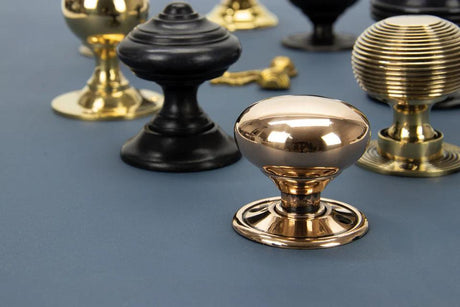
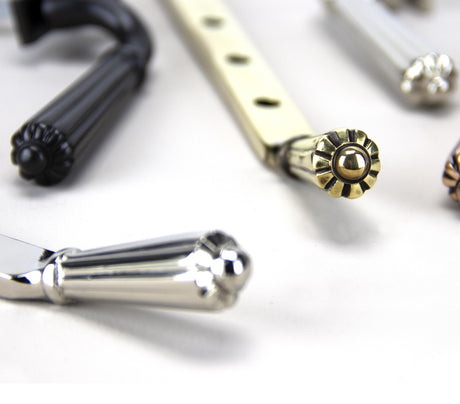
Door handles and door knobs
Door locks and latches
Hinges and door closers
Door stops and flush pulls
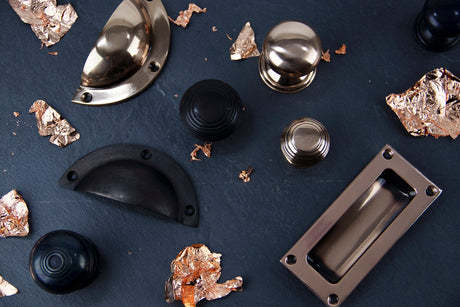
Cabinet handles and furniture
Each of these components works together to create a complete door hardware system. For example, a door handle operates a latch or lock, hinges allow the door to swing open and closed, and additional hardware such as door stops or closers helps control movement and protect the door and surrounding walls.
Architectural ironmongery plays a vital role in door security, safety and usability, which is why it is widely used across the building industry. Selecting the correct hardware ensures doors operate smoothly, meet safety regulations, and provide the required level of durability for everyday use. In many cases, particularly on external doors, the correct choice of locks and cylinders can also help improve the overall security of a property.
Common Architectural Ironmongery Terms Explained
When choosing door hardware, you will often come across a range of technical terms used within the architectural ironmongery industry. These terms describe specific parts of a door system, measurements used when fitting hardware, and the different types of locks, handles and fittings commonly installed on doors.
Understanding these architectural ironmongery glossary terms can make it much easier to select the correct products for your door. Whether you are replacing a lock, fitting new door handles, or specifying hardware for a building project, knowing the meaning of these terms helps ensure the hardware you choose is compatible with the door and functions correctly.
Below are some of the most widely used architectural ironmongery terms and door hardware definitions you may encounter when selecting locks, latches, hinges and door handles in the UK.
Backplate
A backplate is the long plate mounted behind a door handle or door knob, forming the base that secures the handle to the door. The backplate can include openings for different locking mechanisms, such as a traditional keyhole, a euro cylinder cut-out, or a bathroom turn and release. Door handles on backplates are commonly used where a lock or latch mechanism is fitted inside the door, providing both functionality and a neat, finished appearance.
Handles fitted to backplates are typically used with:
Sash locks
Bathroom locks
Euro profile locks
Backplate handles are available in several different styles depending on the lock type they are designed to work with. For example, a lock backplate includes a traditional keyhole, a euro backplate includes a cut-out for a euro cylinder, and a bathroom backplate includes a turn and release mechanism for privacy.
Door handles on backplates remain one of the most widely used handle styles in the UK, particularly on traditional interior doors and timber doors fitted with mortice locks. They are popular because the backplate covers the fixing points and lock openings, creating a clean and coordinated look while also protecting the door surface from wear.

Backset
Backset refers to the measurement from the edge of a door to the centre of the spindle hole or keyhole within a lock or latch. This measurement is one of the most important dimensions when selecting door locks, tubular latches or mortice locks, as it determines the position of the door handle on the face of the door.
In most door hardware installations, the backset controls how far the handle sits away from the edge of the door. Choosing the correct backset ensures that the door handle aligns properly with the internal lock or latch mechanism, allowing the handle to operate smoothly and comfortably.
Typical backset sizes vary depending on the type of lock or latch being used. For example, tubular latches and mortice locks commonly come in sizes such as 44mm or 57mm backsets in the UK. Larger backsets position the handle further away from the door edge, which can improve both appearance and usability.
When replacing locks or door handles, it is always important to measure the existing backset to ensure the new hardware matches the original positioning. Selecting the correct backset helps prevent installation issues and ensures the door hardware functions correctly once fitted.

Ball Bearing Hinge
A ball bearing hinge is a type of door hinge that contains small internal ball bearings positioned between the hinge knuckles. These bearings reduce friction as the door moves, allowing the hinge to operate more smoothly when the door is opened and closed. Ball bearing hinges are designed to provide improved durability and performance compared to standard hinges, particularly on doors that are used frequently.
The internal bearings help distribute the weight of the door more evenly across the hinge, reducing wear on the metal surfaces. This makes ball bearing hinges a popular choice for both residential and commercial installations where long-term reliability is important.
Ball bearing hinges are commonly used for:
Heavy doors
Fire doors
Frequently used commercial doors
Because of their stronger construction and smoother operation, ball bearing hinges are often recommended for doors that experience regular use throughout the day. They help reduce strain on the hinge mechanism, minimise noise when opening or closing the door, and improve the overall lifespan of the door hardware. For these reasons, they are widely specified by builders, joiners and architectural ironmongers when fitting high quality door hardware.

Deadlock
A deadlock is a type of lock that is operated using a key and does not include a latch mechanism. When the key is turned, a solid bolt extends from the lock into the door frame, securing the door in place. Because the bolt cannot be retracted without the key, deadlocks provide a high level of security and are commonly used on external doors.
Deadlocks are typically fitted into timber doors as a mortice lock, meaning the lock body sits inside a pocket cut into the edge of the door. They are often installed in combination with other locking mechanisms, such as a night latch or sash lock, to provide additional protection.
Many external door deadlocks are also available with British Standard certification, such as BS3621, which is frequently required by insurance companies for domestic properties.

Door Closer
A door closer is a mechanical device designed to automatically close a door after it has been opened. Door closers are typically fitted to the top of the door or door frame and use a spring and hydraulic mechanism to control the closing movement.
These devices are commonly installed in commercial buildings, public buildings and fire door installations where doors must close automatically after use. Door closers help improve safety by ensuring doors close securely and consistently, reducing the risk of doors being left open.
In many buildings, door closers also help maintain fire protection by ensuring fire doors close fully in the event of a fire, helping to slow the spread of smoke and flames.

Door Stop
A door stop is a small protective fitting designed to prevent a door from opening too far and damaging nearby surfaces such as walls, skirting boards or furniture. When the door reaches the stop, it absorbs the impact and prevents the handle or door edge from hitting the wall.
Door stops can be installed in several locations depending on the design of the room. Common installation positions include:
Floor mounted door stops
Wall mounted door stops
Skirting mounted door stops
Door stops are a simple but important part of architectural ironmongery, helping protect both the door hardware and surrounding walls from damage.

Euro Cylinder
A euro cylinder is one of the most widely used lock cylinders found in modern door locking systems. It is a removable cylinder that sits inside a euro profile lock case and contains the key mechanism that operates the lock. Euro cylinders are commonly used across residential and commercial properties because they provide a reliable and easily replaceable locking solution.
These cylinders are typically installed in:
uPVC doors
Composite doors
Timber doors fitted with euro profile locks
The design of a euro cylinder allows it to be removed and replaced without changing the entire lock mechanism inside the door. This makes it much easier to upgrade security or replace a damaged cylinder if keys are lost or the lock becomes worn.
Euro cylinders are available in several security levels and styles, including standard key cylinders, thumbturn cylinders and high security anti snap cylinders. Because they are interchangeable and widely available in different sizes, euro cylinders remain one of the most common locking solutions used throughout the UK door hardware industry.

Faceplate
A faceplate is the metal plate fixed to the edge of a door that covers the front of a lock or latch mechanism. It is secured to the door with screws and helps hold the lock body firmly in place inside the door.
The faceplate also allows the latch bolt or deadbolt to move smoothly when the door is opened or closed. It provides a clean and professional finish on the edge of the door while protecting the internal lock mechanism.
Faceplates are usually manufactured in finishes that match the door hardware, such as stainless steel, brass or satin chrome, ensuring the lock blends neatly with the overall ironmongery installation.
Fire Rated Hardware
Fire rated hardware refers to door hardware that has been tested and certified for use on fire doors. These products are specifically designed to withstand high temperatures and maintain the integrity of a fire door assembly during a fire.
Common examples of fire rated architectural ironmongery include:
Fire rated hinges
Fire rated locks and latches
Fire rated door closers
Fire rated handles and hardware
Using certified fire rated hardware is essential to ensure that fire doors perform correctly in the event of a fire, helping to slow the spread of smoke and flames and allowing safe evacuation of a building.
Handle Centres
Handle centres refer to the measurement between the centre of the door handle spindle and the centre of the keyhole or cylinder opening on a door handle backplate. This measurement is essential when selecting or replacing door handles designed to work with a lock.
If the handle centres do not match the lock fitted inside the door, the handle and keyhole will not align correctly. Correct handle centre measurements ensure that door handles operate properly with the lock mechanism.
Common centre measurements used in the UK include 57mm, 72mm and 92mm, although the correct size will depend on the type of lock installed in the door.
Mortice Lock
A mortice lock is a type of lock that is fitted into a pocket, or "mortice", cut into the edge of a door. The lock body sits inside the door itself, leaving only the faceplate visible on the door edge and the keyhole or handle fittings visible on the surface of the door. Mortice locks are widely used because they provide a strong, secure and discreet locking solution, particularly for timber doors.
These locks are commonly installed in both residential and commercial properties and are especially popular on traditional timber doors where a robust locking mechanism is required. The internal design of a mortice lock allows the bolt and latch mechanism to operate smoothly within the door, helping provide reliable security and long-term durability.
Mortice locks are typically available in two main types:
Sash locks - which include both a latch operated by the door handle and a deadbolt operated by a key
Deadlocks - which include only a key operated bolt for added security
Because the lock body is housed inside the door, mortice locks are known for their strength and resistance to tampering, making them a popular choice for external doors and high security applications. Many external door mortice locks are also available with British Standard certification, such as BS3621, which is often required by insurance companies for domestic properties.

Privacy Turn
A privacy turn is a thumb turn mechanism fitted to the inside of a door that allows the door to be locked without using a key. It is commonly used on bathroom and bedroom doors where privacy is required but high security is not necessary.
Privacy turns are typically installed together with a bathroom lock or tubular privacy latch. When the thumb turn is rotated, the internal locking mechanism engages and prevents the door from opening from the outside.
This type of lock provides a simple and convenient privacy solution for internal doors, making it ideal for rooms where occupants may want temporary privacy.

Sash Lock
A sash lock is a type of mortice lock that combines both a latch and a deadbolt within the same lock case. The latch is operated by the door handle, allowing the door to open and close normally, while the deadbolt is operated using a key to secure the door when required.
Sash locks are widely used on timber doors throughout residential and commercial buildings. They provide both convenience and security, as the handle controls the latch for everyday use while the key operated deadbolt provides additional locking when needed.
These locks are commonly fitted with door handles on backplates and are frequently used on both internal and external doors depending on the level of security required.

Strike Plate
A strike plate is the metal plate fitted to the door frame where the latch or lock bolt enters when the door closes. It is designed to reinforce the area of the frame that receives the latch or bolt, helping prevent wear and damage over time.
When a door is closed, the latch or deadbolt extends into the opening in the strike plate, helping secure the door in place. Strike plates play an important role in ensuring the door aligns correctly with the lock mechanism and closes securely.
Many strike plates are also reinforced to provide additional strength, particularly when used with security locks or deadbolts on external doors.
Types of Door Locks Explained
Understanding the different types of door locks is an important part of any architectural ironmongery glossary. Doors are used for a wide range of purposes, from securing external entrances to providing privacy inside the home, and each type of lock is designed to perform a specific role.
In the UK, several lock types are commonly used across residential and commercial properties. Choosing the correct lock ensures that the door functions properly, meets security requirements, and provides the level of privacy or protection needed.
Some of the most common door lock types used in the UK include:
Mortice locks
Deadlocks
Sash locks
Euro cylinder locks
Bathroom locks
Each type of lock operates slightly differently depending on its intended use. For example, a sash lock includes both a latch and a deadbolt, allowing the door to be opened using a handle while still providing the option of locking it with a key. A deadlock, on the other hand, contains only a bolt that is operated by a key, which provides an extra level of security when fitted to external doors.
Bathroom locks are designed specifically for internal doors where privacy is required. These locks are usually operated by a thumb turn from inside the room and include an emergency release on the outside of the door.
Understanding the purpose of each lock type makes it easier to choose the correct door hardware for your project, whether you are replacing a lock in your home, installing new door hardware, or specifying architectural ironmongery for a building project.

Other Important Door Hardware Terms
In addition to locks and door handles, several other hardware components form part of a complete architectural ironmongery system. These smaller components are often overlooked, but they play an important role in ensuring that doors operate correctly, safely and reliably.
Many of these parts work together with locks and handles to control how a door opens, closes and secures. Understanding these additional door hardware terms can help when selecting the correct fittings or replacing existing components on a door. Builders, joiners and ironmongery suppliers frequently use these terms when specifying or installing door hardware.
The following architectural ironmongery glossary terms relate to key components that support the operation of door handles, locks and latching mechanisms. Knowing what these parts do can make it easier to understand how a complete door hardware system works and ensure that all components are compatible when fitting or replacing ironmongery.
Escutcheon
An escutcheon is a small decorative plate fitted around a keyhole or lock cylinder opening on a door. It is designed to cover the cut-out in the door where the key is inserted, providing a neat and finished appearance while also helping to protect the surrounding door surface from wear and scratches.
Escutcheons are commonly used with door handles fitted on rose, where the handle and keyhole are separate components rather than being part of a single backplate. This allows the handle and the keyhole cover to be installed independently while still maintaining a coordinated look.
These door hardware fittings are available in a wide range of styles, finishes and shapes to match different types of architectural ironmongery. Escutcheons are typically used with:
Mortice locks
Euro profile cylinders
Key operated door locks
As well as improving the appearance of the door hardware installation, escutcheons help protect the door surface around the keyhole, reducing damage caused by keys being inserted and removed over time. They are a common finishing detail used throughout residential and commercial door hardware installations.

Spindle
A spindle is the square metal bar that connects the two door handles through the centre of a lock or latch mechanism. It passes through the spindle follower inside the lock case, allowing both handles on either side of the door to operate the same latch or lock mechanism. The spindle is a key component that enables the door handle to control the opening and closing of the latch.
When a door handle is pressed down, the spindle rotates inside the lock or latch. This rotation retracts the latch bolt, allowing the door to open. Once the handle is released, the latch spring returns the spindle to its original position, allowing the latch to extend again and keep the door closed.
Spindles are usually supplied as part of a door handle set, but they can also be replaced or adjusted if needed. They are typically available in standard sizes, with many door handles using an 8mm square spindle in the UK. Because the spindle transfers movement between the handle and the latch, it plays an essential role in ensuring the door hardware operates smoothly and reliably.
Tubular Latch
A tubular latch is a cylindrical spring loaded latch fitted into the edge of a door. It is designed to hold the door closed without locking it, making it one of the most commonly used components in internal door hardware systems. The latch body sits inside a drilled hole within the door edge, with only the faceplate and latch bolt visible once installed.
Tubular latches are typically operated by a door handle or door knob connected by a spindle. When the handle or knob is turned or pressed down, the spindle rotates inside the latch mechanism and retracts the latch bolt, allowing the door to open. Once the handle is released, the internal spring pushes the latch bolt back out, helping keep the door securely closed.
These latches are commonly used with:
Lever handles on rose
Door knobs
Interior doors
Tubular latches are most often installed on internal doors where privacy or security locking is not required. For example, they are commonly fitted to living room doors, kitchen doors and hallway doors. Because they are simple, reliable and easy to install, tubular latches remain one of the most widely used door hardware components in residential properties across the UK.

WC Turn and Release
A WC turn and release is a locking mechanism designed for bathroom doors and other internal doors where privacy is required. It consists of a thumb turn fitted on the inside of the door and an emergency release fitted on the outside.
The thumb turn allows the door to be locked from inside the room without using a key. If necessary, the emergency release slot on the outside can be operated using a coin or flat object to unlock the door. This ensures privacy while still allowing access in case of an emergency.
WC turn and release sets are commonly used with door handles fitted on rose and are widely installed on bathroom and cloakroom doors.
Why Understanding Ironmongery Terms Matters
Understanding architectural ironmongery terminology can make a significant difference when choosing door hardware for your home or building project. Many door components may look similar, but the specific terms used within the ironmongery industry describe important differences in function, measurements and compatibility. Knowing these terms helps ensure you select the correct hardware for your doors and avoid common installation mistakes.
When you understand the meaning of common architectural ironmongery terms, it becomes much easier to compare products, measure existing door hardware and identify the correct replacement parts. This is particularly useful when replacing locks, upgrading door handles or fitting new door hardware during renovations or construction work.
Some of the key benefits of understanding ironmongery terminology include:
Choosing the correct lock type for security requirements
Ensuring door handles align correctly with lock centres and backsets
Selecting hinges that are suitable for the weight and size of the door
Understanding how different door hardware components work together
A clear understanding of door hardware terminology also makes communication easier when speaking with builders, joiners, locksmiths or architectural ironmongery suppliers. By using the correct terms, you can describe exactly what type of hardware you need, helping ensure the right products are selected and fitted correctly.
Summary
Architectural ironmongery refers to the metal hardware fitted to doors and buildings, including products such as locks, hinges, handles and latches used in residential, commercial and public properties.
Understanding common ironmongery terms such as backset, mortice lock, euro cylinder and spindle makes it much easier to select the correct door hardware for your doors.
Knowing the correct terminology helps ensure that door handles, locks and hinges are compatible, fitted correctly, and able to operate smoothly.
A clear understanding of architectural ironmongery helps doors function safely, remain secure and provide long-term durability in everyday use.
If you are unsure about any door hardware terminology or need help selecting the correct ironmongery for your project, the team at Trade Door Handles is always happy to help guide you in choosing the right products.
Frequently Asked Questions About Architectural Ironmongery
What does architectural ironmongery mean
Architectural ironmongery refers to the metal hardware fitted to doors, windows and buildings that allows them to function safely and securely. This includes products such as locks, hinges, door handles, latches, cylinders and door closers. These components form an essential part of any door system, helping control how doors open, close and lock within residential, commercial and public buildings.
What is the difference between a latch and a lock
A latch is a spring loaded mechanism that keeps a door closed but does not lock it. It can usually be opened simply by turning a door handle or knob. A lock, on the other hand, includes a bolt that can be secured using a key or thumb turn to prevent the door from opening. Locks are typically used where security or privacy is required, while latches are commonly used on internal doors.
What is a euro cylinder
A euro cylinder is a removable lock cylinder used in euro profile locks. It contains the key mechanism that operates the lock and is widely used in uPVC doors, composite doors and timber doors fitted with euro profile lock cases. One of the main advantages of a euro cylinder is that it can be replaced easily, allowing security to be upgraded without replacing the entire lock.
What is a backset on a door lock
Backset is the measurement from the edge of the door to the centre of the keyhole or spindle hole within a lock or latch. This measurement determines the position of the door handle on the door. Choosing the correct backset ensures that door handles align properly with the lock mechanism, allowing the door hardware to operate smoothly.
What is a mortice lock used for
A mortice lock is used to provide secure locking for timber doors. The lock body is installed into a pocket cut into the edge of the door, with only the faceplate and keyhole visible once fitted. Mortice locks are known for their strength and durability, making them a popular choice for both internal and external doors where reliable security is required.
Explore Quality Architectural Ironmongery for Your Doors
Choosing the correct door hardware is essential for both security and long-term reliability. Whether you are replacing a lock, upgrading door handles or fitting new hardware during a renovation, selecting the right architectural ironmongery ensures your doors operate smoothly and remain secure.
At Trade Door Handles, we supply a wide range of high quality architectural ironmongery and door hardware, including door handles, locks, hinges, latches and cylinders suitable for both residential and commercial applications. With decades of experience in the ironmongery industry, we aim to provide reliable products that combine durability, functionality and professional quality.
If you are looking for the right door hardware for your project, explore our collection of architectural ironmongery and discover products designed to meet the needs of modern homes and buildings.
Common Architectural Ironmongery Components
Architectural ironmongery includes many different components that work together to ensure doors operate correctly and securely. Some of the most commonly used door hardware components include:
Hinges and door closers
Latches and strike plates
Understanding how these components work together helps ensure doors function smoothly, remain secure and meet building safety requirements.