
Heritage Brass Letters and Numerals
Shop Heritage Brass House Numbers by Range


Popular House Number Searches


Shop House Numbers and Letters by Finish


 20% off
Heritage Brass
Heritage Brass Numeral 7 Self Adhesive 51mm (2") Polished Chrome Finish
SKU: c1568-7-pc
Sale price £4.44 (Inc. VAT) Normal Price: £5.56 £3.70 (Ex. VAT)Unit price /Unavailable 20% off
Heritage Brass
Heritage Brass Numeral 7 Self Adhesive 51mm (2") Satin Chrome Finish
SKU: c1568-7-sc
Sale price £4.44 (Inc. VAT) Normal Price: £5.56 £3.70 (Ex. VAT)Unit price /Unavailable 20% off
Heritage Brass
Heritage Brass Numeral 7 Self Adhesive 51mm (2") Satin Nickel Finish
SKU: c1568-7-sn
Sale price £4.44 (Inc. VAT) Normal Price: £5.56 £3.70 (Ex. VAT)Unit price /Unavailable 20% off
Heritage Brass
Heritage Brass Numeral 8 Self Adhesive 51mm (2") Antique Brass Finish
SKU: c1568-8-at
Sale price £4.44 (Inc. VAT) Normal Price: £5.56 £3.70 (Ex. VAT)Unit price /Unavailable 20% off
Heritage Brass
Heritage Brass Numeral 8 Self Adhesive 51mm (2") Matt Bronze Finish
SKU: c1568-8-mb
Sale price £5.07 (Inc. VAT) Normal Price: £6.34 £4.23 (Ex. VAT)Unit price /Unavailable 20% off
Heritage Brass
Heritage Brass Numeral 8 Self Adhesive 51mm (2") Polished Brass Finish
SKU: c1568-8-pb
Sale price £3.88 (Inc. VAT) Normal Price: £4.85 £3.23 (Ex. VAT)Unit price /Unavailable 20% off
Heritage Brass
Heritage Brass Numeral 8 Self Adhesive 51mm (2") Polished Chrome Finish
SKU: c1568-8-pc
Sale price £4.44 (Inc. VAT) Normal Price: £5.56 £3.70 (Ex. VAT)Unit price /Unavailable 20% off
Heritage Brass
Heritage Brass Numeral 8 Self Adhesive 51mm (2") Satin Chrome Finish
SKU: c1568-8-sc
Sale price £4.44 (Inc. VAT) Normal Price: £5.56 £3.70 (Ex. VAT)Unit price /Unavailable 20% off
Heritage Brass
Heritage Brass Numeral 8 Self Adhesive 51mm (2") Satin Nickel Finish
SKU: c1568-8-sn
Sale price £4.44 (Inc. VAT) Normal Price: £5.56 £3.70 (Ex. VAT)Unit price /Unavailable 20% off
Heritage Brass
Heritage Brass Numeral 9 Self Adhesive 51mm (2") Antique Brass Finish
SKU: c1568-9-at
Sale price £4.44 (Inc. VAT) Normal Price: £5.56 £3.70 (Ex. VAT)Unit price /Unavailable 20% off
Heritage Brass
Heritage Brass Numeral 9 Self Adhesive 51mm (2") Matt Bronze Finish
SKU: c1568-9-mb
Sale price £5.07 (Inc. VAT) Normal Price: £6.34 £4.23 (Ex. VAT)Unit price /Unavailable 20% off
Heritage Brass
Heritage Brass Numeral 9 Self Adhesive 51mm (2") Polished Brass Finish
SKU: c1568-9-pb
Sale price £3.88 (Inc. VAT) Normal Price: £4.85 £3.23 (Ex. VAT)Unit price /Unavailable 20% off
Heritage Brass
Heritage Brass Numeral 9 Self Adhesive 51mm (2") Polished Chrome Finish
SKU: c1568-9-pc
Sale price £4.44 (Inc. VAT) Normal Price: £5.56 £3.70 (Ex. VAT)Unit price /Unavailable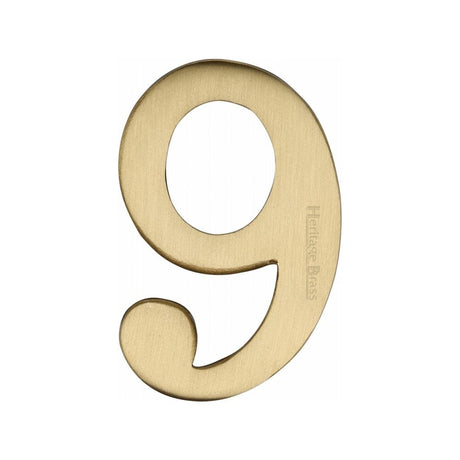 20% off
Heritage Brass
Heritage Brass Numeral 9 Self Adhesive 51mm (2") Satin Brass Finish
SKU: c1568-9-sb
Sale price £5.07 (Inc. VAT) Normal Price: £6.34 £4.23 (Ex. VAT)Unit price /Unavailable 20% off
Heritage Brass
Heritage Brass Numeral 9 Self Adhesive 51mm (2") Satin Chrome Finish
SKU: c1568-9-sc
Sale price £4.44 (Inc. VAT) Normal Price: £5.56 £3.70 (Ex. VAT)Unit price /Unavailable 20% off
Heritage Brass
Heritage Brass Numeral 9 Self Adhesive 51mm (2") Satin Nickel Finish
SKU: c1568-9-sn
Sale price £4.44 (Inc. VAT) Normal Price: £5.56 £3.70 (Ex. VAT)Unit price /Unavailable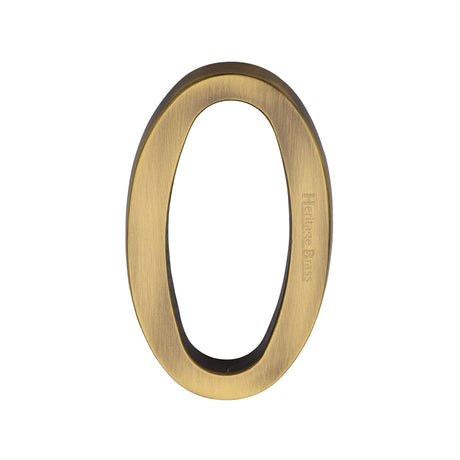 20% off
Heritage Brass
Heritage Brass Numeral 0 Concealed Fix 76mm (3") Antique Brass Finish
SKU: c1564-0-at
Sale price £6.38 (Inc. VAT) Normal Price: £7.98 £5.32 (Ex. VAT)Unit price /Unavailable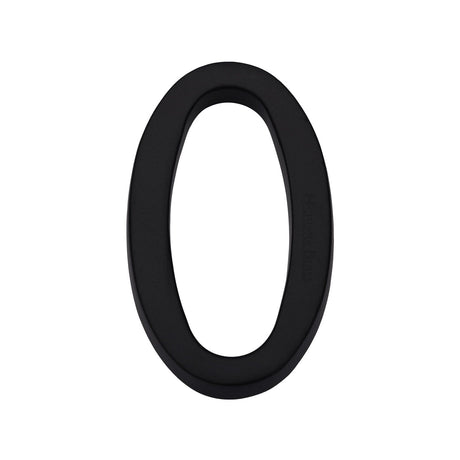 20% off
Heritage Brass
Heritage Brass Numeral 0 Concealed Fix 76mm (3") Matt Black Finish
SKU: c1564-0-bkmt
Sale price £6.38 (Inc. VAT) Normal Price: £7.98 £5.32 (Ex. VAT)Unit price /Unavailable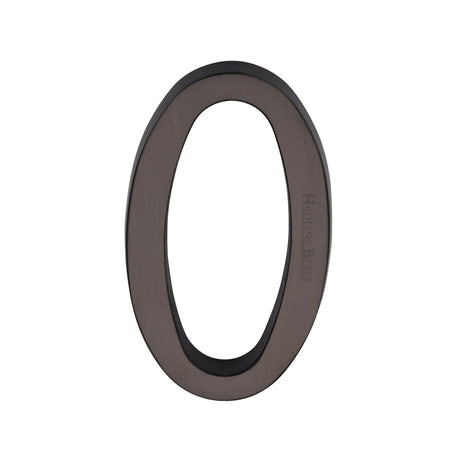 20% off
Heritage Brass
Heritage Brass Numeral 0 Concealed Fix 76mm (3") Matt Bronze Finish
SKU: c1564-0-mb
Sale price £6.38 (Inc. VAT) Normal Price: £7.98 £5.32 (Ex. VAT)Unit price /Unavailable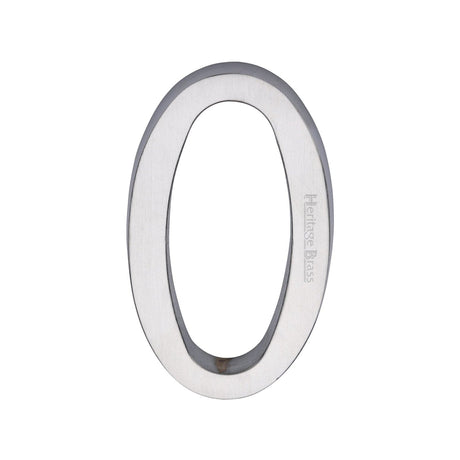 20% off
Heritage Brass
Heritage Brass Numeral 0 Concealed Fix 76mm (3") Satin Chrome Finish
SKU: c1564-0-sc
Sale price £6.38 (Inc. VAT) Normal Price: £7.98 £5.32 (Ex. VAT)Unit price /Unavailable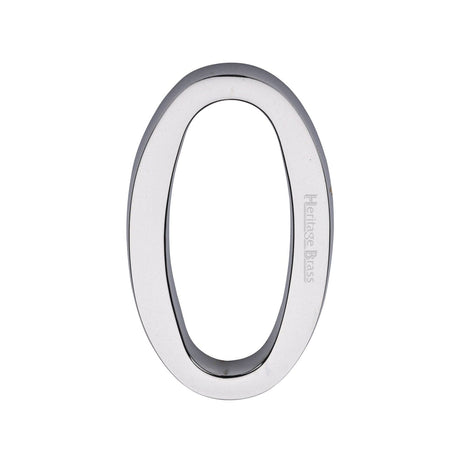 20% off
Heritage Brass
Heritage Brass Numeral 0 Concealed Fix 76mm (3") Polished Chrome Finish
SKU: c1564-0-pc
Sale price £6.38 (Inc. VAT) Normal Price: £7.98 £5.32 (Ex. VAT)Unit price /Unavailable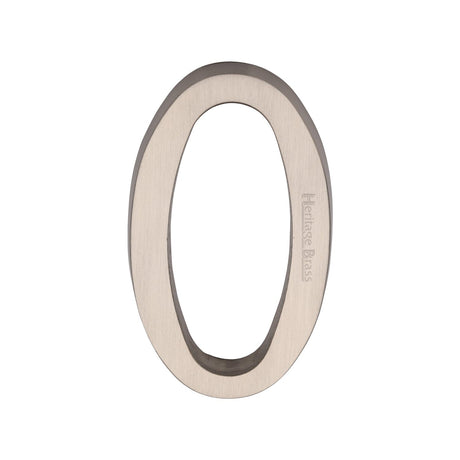 20% off
Heritage Brass
Heritage Brass Numeral 0 Concealed Fix 76mm (3") Satin Nickel Finish
SKU: c1564-0-sn
Sale price £6.38 (Inc. VAT) Normal Price: £7.98 £5.32 (Ex. VAT)Unit price /Unavailable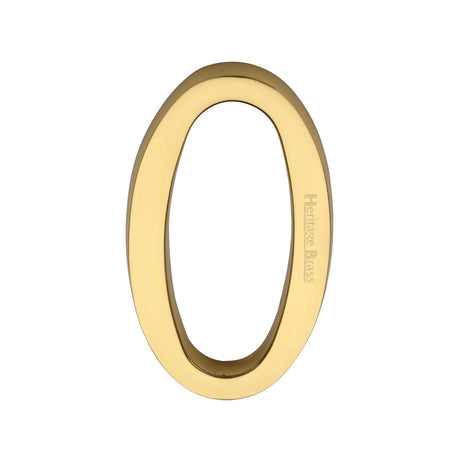 20% off
Heritage Brass
Heritage Brass Numeral 0 Concealed Fix 76mm (3") Unlacquered Brass Finish
SKU: c1564-0-ulb
Sale price £6.38 (Inc. VAT) Normal Price: £7.98 £5.32 (Ex. VAT)Unit price /Unavailable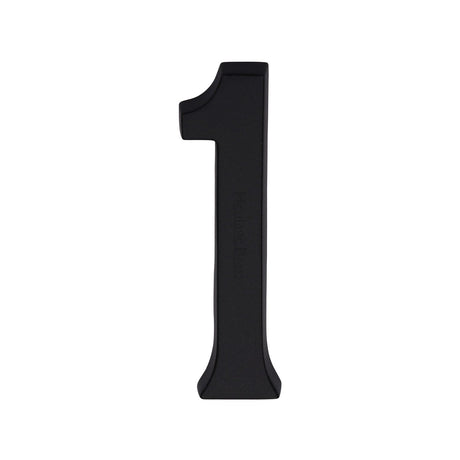 20% off
Heritage Brass
Heritage Brass Numeral 1 Concealed Fix 76mm (3") Matt Black Finish
SKU: c1564-1-bkmt
Sale price £6.38 (Inc. VAT) Normal Price: £7.98 £5.32 (Ex. VAT)Unit price /Unavailable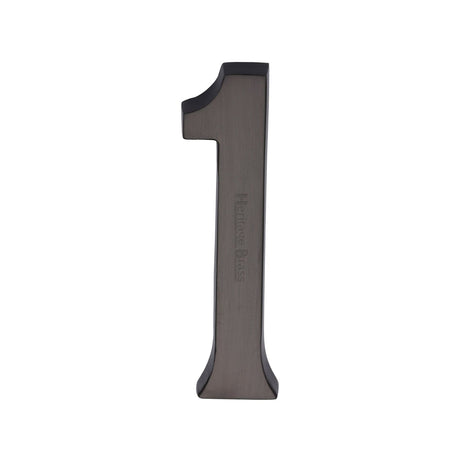 20% off
Heritage Brass
Heritage Brass Numeral 1 Concealed Fix 76mm (3") Matt Bronze Finish
SKU: c1564-1-mb
Sale price £6.38 (Inc. VAT) Normal Price: £7.98 £5.32 (Ex. VAT)Unit price /Unavailable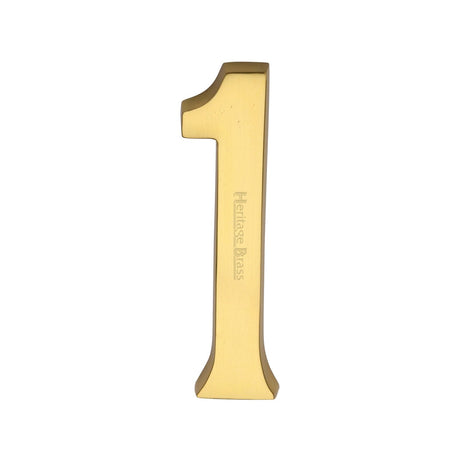 Sold out20% off
Heritage Brass
Heritage Brass Numeral 1 Concealed Fix 76mm (3") Polished Brass Finish
SKU: c1564-1-pb
Sale price £6.38 (Inc. VAT) Normal Price: £7.98 £5.32 (Ex. VAT)Unit price /Unavailable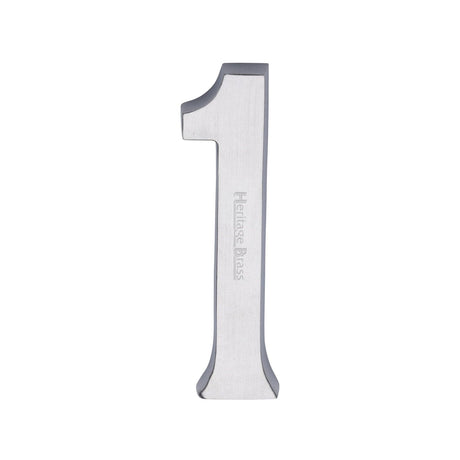 20% off
Heritage Brass
Heritage Brass Numeral 1 Concealed Fix 76mm (3") Satin Chrome Finish
SKU: c1564-1-sc
Sale price £6.38 (Inc. VAT) Normal Price: £7.98 £5.32 (Ex. VAT)Unit price /Unavailable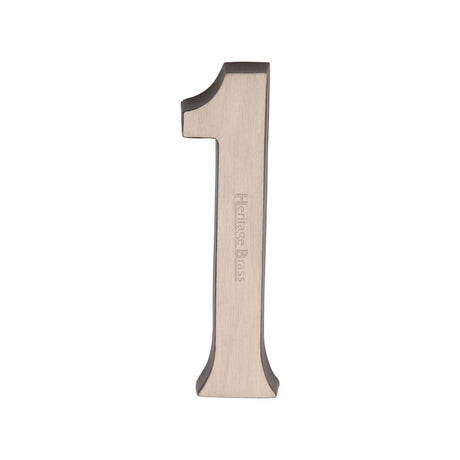 20% off
Heritage Brass
Heritage Brass Numeral 1 Concealed Fix 76mm (3") Satin Nickel Finish
SKU: c1564-1-sn
Sale price £6.38 (Inc. VAT) Normal Price: £7.98 £5.32 (Ex. VAT)Unit price /Unavailable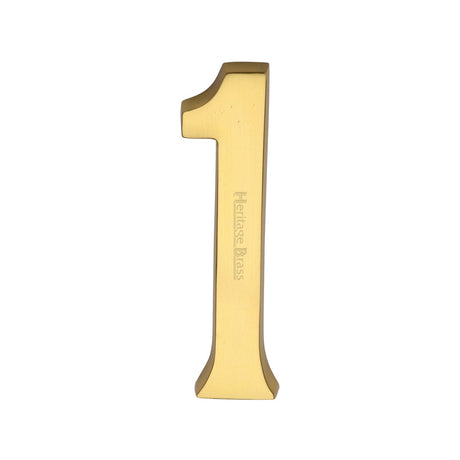 20% off
Heritage Brass
Heritage Brass Numeral 1 Concealed Fix 76mm (3") Unlacquered Brass Finish
SKU: c1564-1-ulb
Sale price £6.38 (Inc. VAT) Normal Price: £7.98 £5.32 (Ex. VAT)Unit price /Unavailable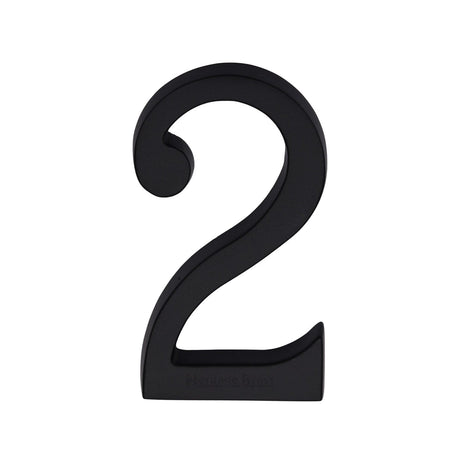 20% off
Heritage Brass
Heritage Brass Numeral 2 Concealed Fix 76mm (3") Matt Black Finish
SKU: c1564-2-bkmt
Sale price £6.38 (Inc. VAT) Normal Price: £7.98 £5.32 (Ex. VAT)Unit price /Unavailable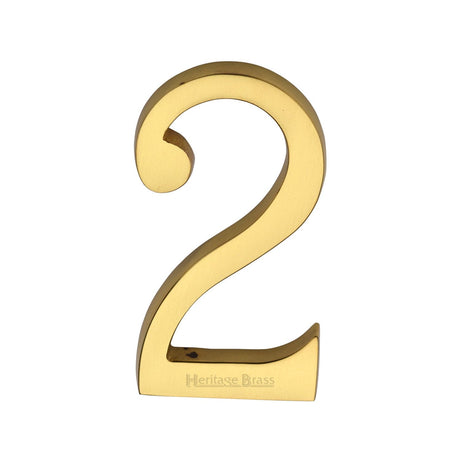 20% off
Heritage Brass
Heritage Brass Numeral 2 Concealed Fix 76mm (3") Polished Brass Finish
SKU: c1564-2-pb
Sale price £6.38 (Inc. VAT) Normal Price: £7.98 £5.32 (Ex. VAT)Unit price /Unavailable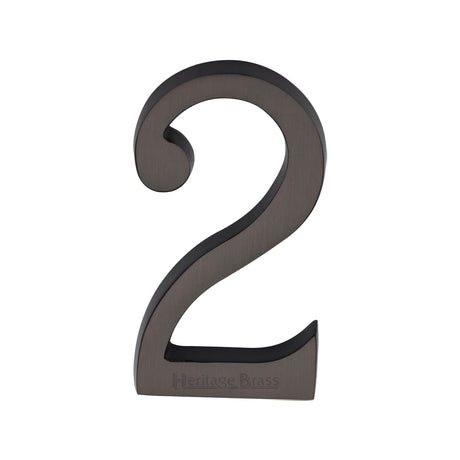 20% off
Heritage Brass
Heritage Brass Numeral 2 Concealed Fix 76mm (3") Matt Bronze Finish
SKU: c1564-2-mb
Sale price £6.38 (Inc. VAT) Normal Price: £7.98 £5.32 (Ex. VAT)Unit price /Unavailable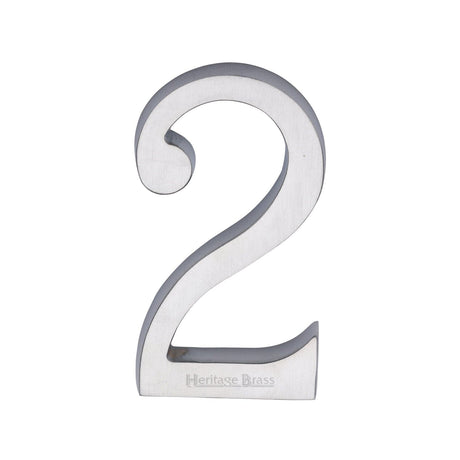 20% off
Heritage Brass
Heritage Brass Numeral 2 Concealed Fix 76mm (3") Satin Chrome Finish
SKU: c1564-2-sc
Sale price £6.38 (Inc. VAT) Normal Price: £7.98 £5.32 (Ex. VAT)Unit price /Unavailable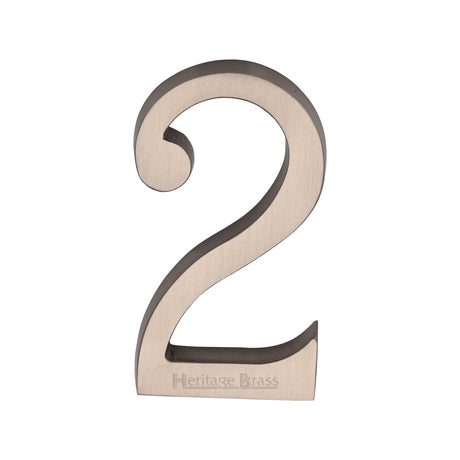 20% off
Heritage Brass
Heritage Brass Numeral 2 Concealed Fix 76mm (3") Satin Nickel Finish
SKU: c1564-2-sn
Sale price £6.38 (Inc. VAT) Normal Price: £7.98 £5.32 (Ex. VAT)Unit price /Unavailable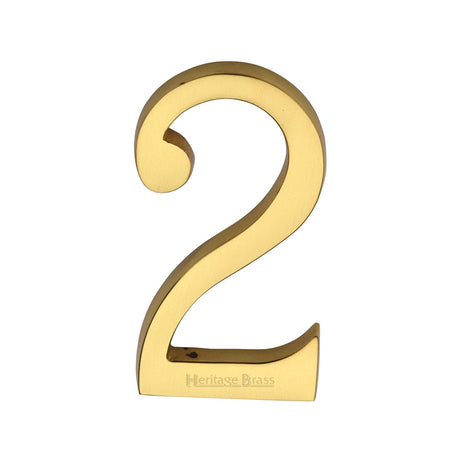 20% off
Heritage Brass
Heritage Brass Numeral 2 Concealed Fix 76mm (3") Unlacquered Brass Finish
SKU: c1564-2-ulb
Sale price £6.38 (Inc. VAT) Normal Price: £7.98 £5.32 (Ex. VAT)Unit price /Unavailable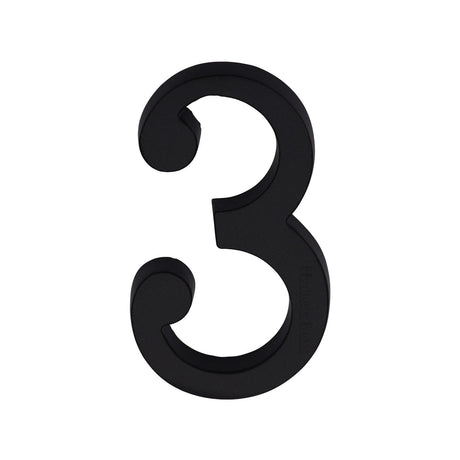 20% off
Heritage Brass
Heritage Brass Numeral 3 Concealed Fix 76mm (3") Matt Black Finish
SKU: c1564-3-bkmt
Sale price £6.38 (Inc. VAT) Normal Price: £7.98 £5.32 (Ex. VAT)Unit price /Unavailable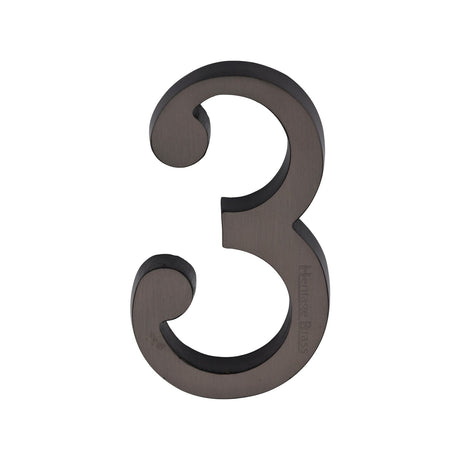 20% off
Heritage Brass
Heritage Brass Numeral 3 Concealed Fix 76mm (3") Matt Bronze Finish
SKU: c1564-3-mb
Sale price £6.38 (Inc. VAT) Normal Price: £7.98 £5.32 (Ex. VAT)Unit price /Unavailable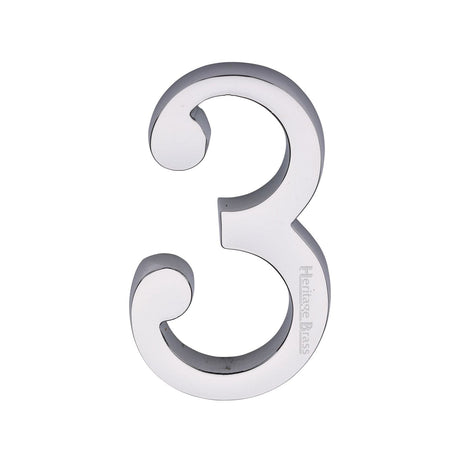 20% off
Heritage Brass
Heritage Brass Numeral 3 Concealed Fix 76mm (3") Polished Chrome Finish
SKU: c1564-3-pc
Sale price £6.38 (Inc. VAT) Normal Price: £7.98 £5.32 (Ex. VAT)Unit price /Unavailable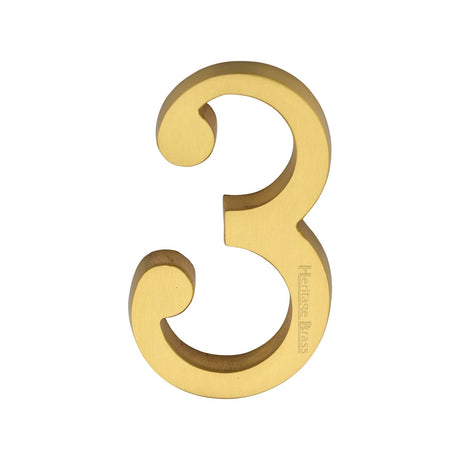 20% off
Heritage Brass
Heritage Brass Numeral 3 Concealed Fix 76mm (3") Satin Brass Finish
SKU: c1564-3-sb
Sale price £6.38 (Inc. VAT) Normal Price: £7.98 £5.32 (Ex. VAT)Unit price /Unavailable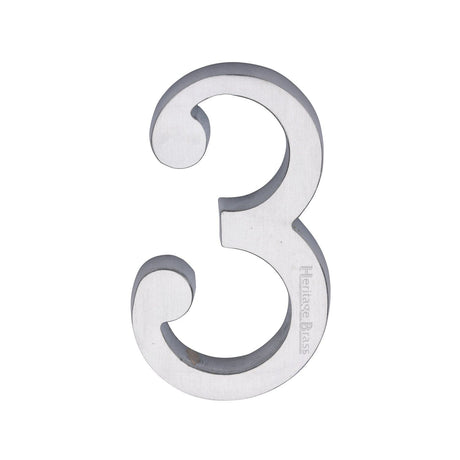 20% off
Heritage Brass
Heritage Brass Numeral 3 Concealed Fix 76mm (3") Satin Chrome Finish
SKU: c1564-3-sc
Sale price £6.38 (Inc. VAT) Normal Price: £7.98 £5.32 (Ex. VAT)Unit price /Unavailable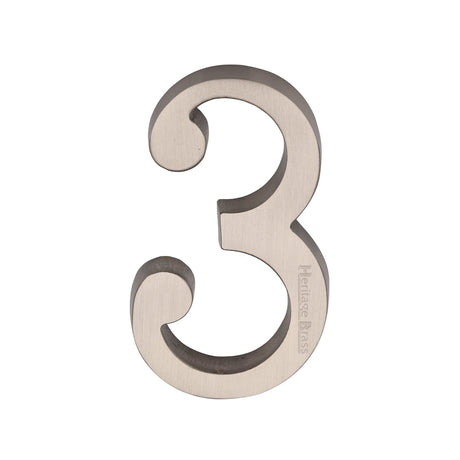 20% off
Heritage Brass
Heritage Brass Numeral 3 Concealed Fix 76mm (3") Satin Nickel Finish
SKU: c1564-3-sn
Sale price £6.38 (Inc. VAT) Normal Price: £7.98 £5.32 (Ex. VAT)Unit price /Unavailable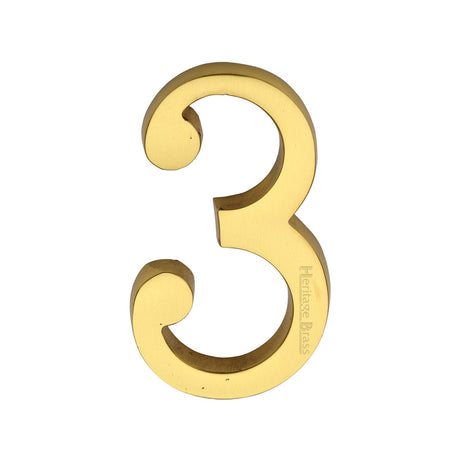 20% off
Heritage Brass
Heritage Brass Numeral 3 Concealed Fix 76mm (3") Unlacquered Brass Finish
SKU: c1564-3-ulb
Sale price £6.38 (Inc. VAT) Normal Price: £7.98 £5.32 (Ex. VAT)Unit price /Unavailable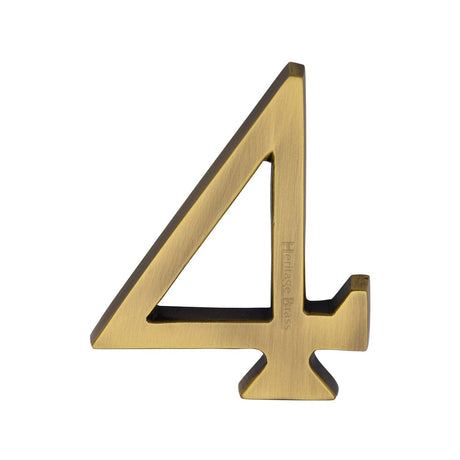 20% off
Heritage Brass
Heritage Brass Numeral 4 Concealed Fix 76mm (3") Antique Brass Finish
SKU: c1564-4-at
Sale price £6.38 (Inc. VAT) Normal Price: £7.98 £5.32 (Ex. VAT)Unit price /Unavailable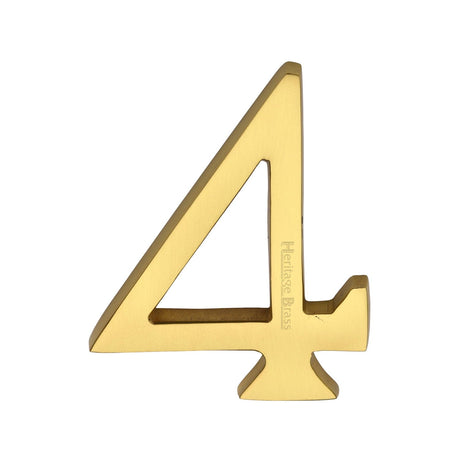 20% off
Heritage Brass
Heritage Brass Numeral 4 Concealed Fix 76mm (3") Polished Brass Finish
SKU: c1564-4-pb
Sale price £6.38 (Inc. VAT) Normal Price: £7.98 £5.32 (Ex. VAT)Unit price /Unavailable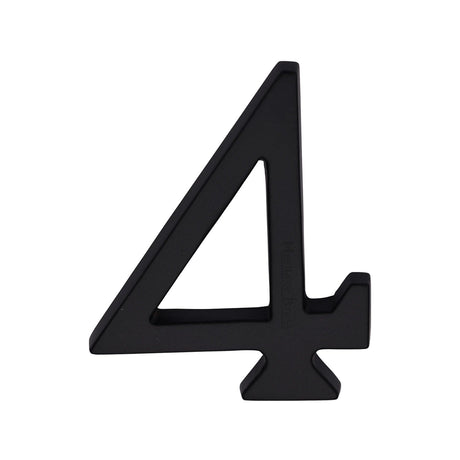 20% off
Heritage Brass
Heritage Brass Numeral 4 Concealed Fix 76mm (3") Matt Black Finish
SKU: c1564-4-bkmt
Sale price £6.38 (Inc. VAT) Normal Price: £7.98 £5.32 (Ex. VAT)Unit price /Unavailable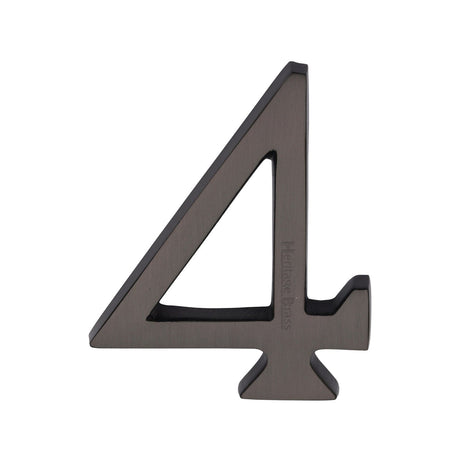 20% off
Heritage Brass
Heritage Brass Numeral 4 Concealed Fix 76mm (3") Matt Bronze Finish
SKU: c1564-4-mb
Sale price £6.38 (Inc. VAT) Normal Price: £7.98 £5.32 (Ex. VAT)Unit price /Unavailable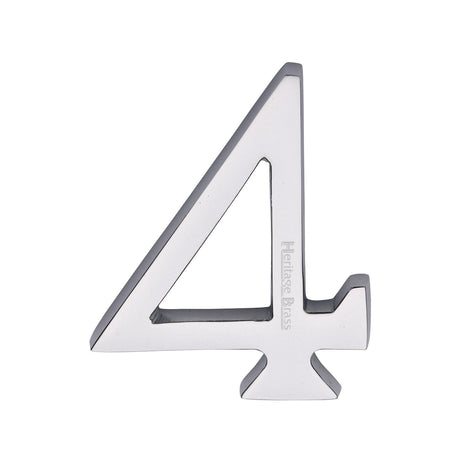 20% off
Heritage Brass
Heritage Brass Numeral 4 Concealed Fix 76mm (3") Polished Chrome Finish
SKU: c1564-4-pc
Sale price £6.38 (Inc. VAT) Normal Price: £7.98 £5.32 (Ex. VAT)Unit price /Unavailable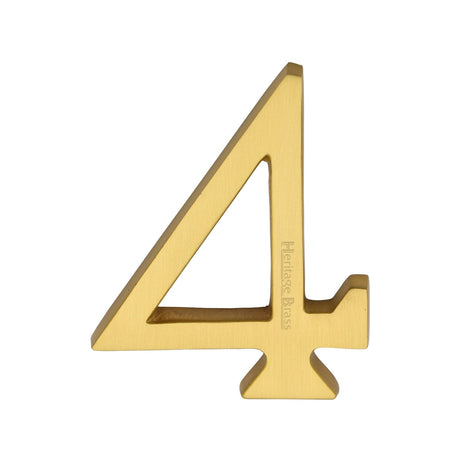 20% off
Heritage Brass
Heritage Brass Numeral 4 Concealed Fix 76mm (3") Satin Brass Finish
SKU: c1564-4-sb
Sale price £6.38 (Inc. VAT) Normal Price: £7.98 £5.32 (Ex. VAT)Unit price /Unavailable


Placement, spacing and fixing
How to Fit Brass House Numbers
1. Pick the spot: house numbers should be easy to read from the pavement, so most people fix them at eye level on the door, on the frame beside it or on the wall next to the door. On a door with a letter plate, numbers often sit centrally above it.
2. Choose the size: use 3 inch house numbers on front doors, walls and gate posts, and 2 inch door numbers on flat doors and narrow stiles.
3. Mark out the spacing: lay the numbers out on masking tape first, keep the gaps even and check they are level with a spirit level before you drill.
4. Fix to suit the surface: face fix door numbers screw straight into timber doors and posts. Concealed fix house numbers fix from the rear for a floating look on doors, render and brick. Self adhesive door numbers need no drilling, so they suit composite and uPVC doors.
House Numbers and Letters Questions
Which house numbers suit a composite or uPVC door?
Which house numbers suit a composite or uPVC door?
The C1568 self adhesive door numbers stick on with no drilling, so they will not damage the door skin. Clean and degrease the surface first for the best bond.
Will brass house numbers tarnish outside?
Will brass house numbers tarnish outside?
Lacquered finishes such as polished brass are coated to slow tarnishing. Unlacquered brass house numbers have no coating, so they darken and develop a patina over time unless polished. Clean all finishes with a soft damp cloth and avoid abrasive cleaners.
Which finish is best for a black or painted front door?
Which finish is best for a black or painted front door?
Brass numbers stand out on dark doors such as black, navy and green: see all brass door numbers. On white, grey or modern doors, chrome door numbers or matt black house numbers give a clean contrast.