
Table of contents
What Is Unlacquered Brass and Is It Right for Your Home?
Supplied by Trade Door Handles, trusted UK supplier of architectural ironmongery since 1976, with quick nationwide delivery.
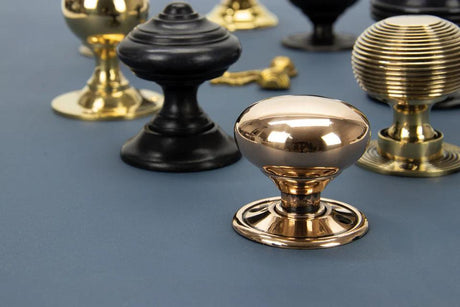
Unlacquered brass is brass exactly as it comes: solid metal with no clear coat on top. It starts bright and slowly mellows to a warm, natural patina, which is why designers call it a living finish. This guide explains what unlacquered brass is, how it differs from lacquered brass, how it ages, how to clean or polish it, and where to use it, with the Heritage Brass unlacquered range by M.Marcus as the example.
Unlacquered brass is one of the finishes customers most like to see in person at our Kendal and Carlisle showrooms, because the way it changes is hard to judge from a photo.
Quick answer: unlacquered brass is solid brass with no protective lacquer. It tarnishes and darkens naturally with air, moisture and handling, and you can polish it back to bright brass whenever you like. Choose it if you love an aged, lived in look. Choose lacquered brass if you want the colour to stay the same.
Lacquered vs Unlacquered Brass
Most brass hardware is lacquered: after polishing or brushing, a clear coat is applied to seal the surface and keep the colour. Unlacquered brass skips that step, so the metal is exposed and reacts with its surroundings.
| Unlacquered brass | Lacquered brass | |
|---|---|---|
| Surface | Bare solid brass | Solid brass sealed with clear lacquer |
| Colour over time | Darkens to a warm patina | Stays the same until the lacquer wears |
| Cleaning | Brass polish if you want it bright | Soft cloth only, no metal polish |
| Can it be polished back? | Yes, at any time | No, polish damages the lacquer |
| Best for | Period homes, kitchens, front doors with character | A consistent look that does not change |
In the Heritage Brass range, polished brass and satin brass are lacquered finishes. Our solid brass finishes guide compares every finish side by side.


How Unlacquered Brass Ages
With no lacquer, the brass reacts with air, moisture and the natural oils from hands. Over weeks and months it moves from bright yellow to a softer gold, then to a deeper, browner tone. The most handled areas change first, so the grip of a pull handle or the edge of a knocker develops its own character. No two pieces age quite the same way.
- Indoors, in a dry room, the change is gradual.
- In kitchens and bathrooms, moisture speeds it up.
- Outdoors on a front door, weather speeds it up again.
- Handling polishes some areas while others darken, giving a natural, lived in look.
If you want to know how to age brass, the honest answer is to fit it and use it. Unlacquered brass ages on its own with everyday use, and that natural patina is the look most people are after.
How to Clean and Polish Unlacquered Brass
To let it age
- Wipe away dust and fingermarks with a soft, dry or lightly damp cloth.
- Dry it straight away. Do not leave unlacquered brass wet.
- Avoid abrasive pads, bleach and harsh chemical cleaners.
To keep it bright
- Apply a brass polish with a soft cloth, following the polish instructions.
- Buff off all of the residue, as polish left in corners will mark.
- The brass will begin to age again from that point, so repeat as often as you like.
External fittings such as knockers and window stays also benefit from a periodic light oiling of springs and moving parts.
Where to Use Unlacquered Brass
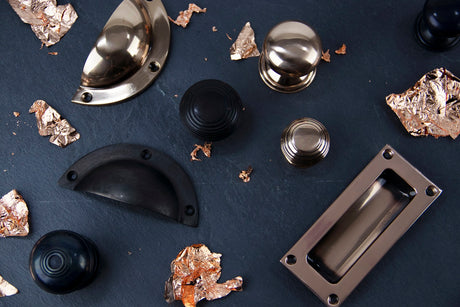
Kitchens and cabinets

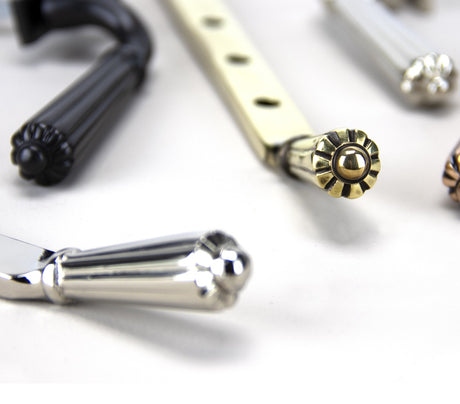
Sash and casement windows


Front doors

What about unlacquered brass door handles?
Is Unlacquered Brass Right for You?
- Choose it if you like a natural, aged look, live in a period home, or want brass that can always be polished back.
- Choose it if you do not mind the colour changing, or enjoy polishing brass now and then.
- Avoid it if you want every fitting to look exactly the same for years, or do not want any upkeep.
- Avoid it if you are matching to lacquered fittings that will not change at the same rate.
Tips from Our Trade Counter
- Fit all the unlacquered brass in a room at the same time, so it ages together.
- Expect new pieces to look brighter than older ones. They will catch up within months.
- If you have mixed unlacquered and lacquered brass in one room, polish the unlacquered pieces occasionally to keep them close in colour.
- Ask us to show you aged and new unlacquered brass side by side in the showroom before you decide.
Frequently Asked Questions
What is unlacquered brass?
Solid brass with no protective lacquer. It is called a living finish because it changes colour over time, mellowing to a warm patina.
Does unlacquered brass tarnish?
Yes. It darkens as it reacts with air and moisture, and the most handled areas change first. You can polish it back to bright brass whenever you like, or let the patina develop.
How do I clean unlacquered brass?
For an aged look, wipe with a soft dry or lightly damp cloth and dry it. To restore the shine, use a brass polish with a soft cloth and buff off all residue. Avoid abrasive pads and bleach.
What is the difference between lacquered and unlacquered brass?
Lacquered brass is sealed with a clear coat to keep its colour. Unlacquered brass has no coating, so it ages naturally and can be polished back at any time.
Can I use brass polish on lacquered brass?
No. Metal polish damages the lacquer. Only use brass polish on unlacquered brass.
Is unlacquered brass good for a kitchen?
Yes. Unlacquered brass kitchen handles and knobs develop a warm patina with use. Moisture speeds up the change, so wipe and dry them regularly if you want a slower, more even look.
Summary
Unlacquered brass is solid brass with no lacquer, so it changes colour over time.
It darkens to a warm patina, with the most handled areas changing first.
Wipe with a soft cloth to let it age, or use brass polish to bring back the shine.
Never use metal polish on lacquered brass.
Heritage Brass makes unlacquered kitchen handles, knobs, window fittings and front door furniture.