Heritage Brass Unlacquered Door Furniture
Unlacquered Brass Front Door Furniture: Knockers, Letter Plates and Centre Knobs
Heritage Brass unlacquered brass door furniture by M.Marcus is solid brass front door hardware with no protective lacquer, so the knocker, letter plate, knob and numbers all age together to a warm, mellow patina. Unlacquered brass suits Georgian, Victorian and Edwardian front doors and restoration projects.
What Is in the Range
- Unlacquered brass door knockers: 6 inch and 7 1/4 inch urn, 7 1/4 inch reeded urn, slim, doctors and ring knockers.
- Unlacquered brass letter plates: 10 x 3, 10 x 4 and 12 x 4 inch letter plates and a reeded 10 x 4 inch plate.
- Unlacquered brass centre door knobs: round and stepped octagonal 3 inch and reeded beehive 3 1/2 inch.
- Unlacquered brass house numbers: 0 to 9 in a 76mm concealed fix numeral.
- Also in the range: rectangular and reeded bell pushes, a round cylinder pull and a wall mounted door stop buffer.
Bright or Aged
Outside, unlacquered brass darkens as it meets the weather. Polish the knocker and letter plate for a crisp, bright entrance, or leave them to mellow. Lacquer can break down faster in coastal areas, so with no lacquer to fail, unlacquered brass is a sensible choice by the sea. External fittings such as knockers and letter plates will benefit from a periodic light oiling of springs and moving parts.
Caring for Unlacquered Brass
With no lacquer, the brass reacts with air, moisture and the natural oils from hands and darkens over time. To keep it bright, use a brass polish and a soft cloth, then buff off all residue. To let it age, wipe away dust and fingermarks with a soft dry or lightly damp cloth and dry it straight away. Avoid abrasive pads, bleach and harsh chemical cleaners, and do not leave the brass wet.
Match the Rest of the House
Continue the finish with unlacquered brass window furniture and unlacquered brass kitchen handles, or see the whole Heritage Brass unlacquered brass range.
Unlacquered Brass Door Furniture Questions
Can unlacquered brass be used on a front door?
Yes. It will darken as it meets the weather, and can be polished back to bright brass whenever you like.
Which unlacquered brass knockers are there?
Urn knockers in 6 inch and 7 1/4 inch, a reeded urn, and slim, doctors and ring knockers.
How are the unlacquered brass house numbers fixed?
They are 76mm concealed fix numerals, so no fixings show on the face.
From a Specialist Ironmonger
Trade Door Handles is part of T.H. Wiggans Ironmongery, trading since 1976, with Heritage Brass on display at our Kendal and Carlisle showrooms. Tell us about your door and we will help you match the knocker, letter plate and numbers.


 Sold out20% off
Heritage Brass
Heritage Brass Wall Mounted Door Stop Buffer Unlacquered Brass Finish
SKU: V1194-ULB
Sale price £9.07 (Inc. VAT) Normal Price: £11.35 £7.56 (Ex. VAT)Unit price /Unavailable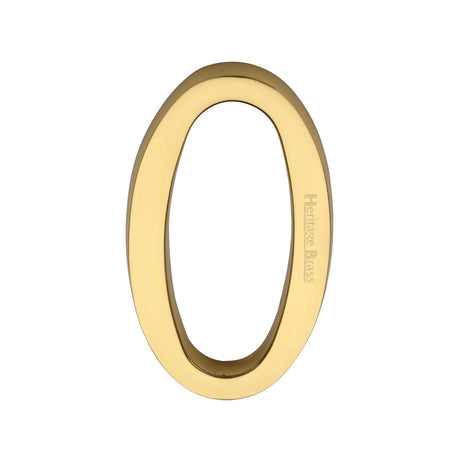 20% off
Heritage Brass
Heritage Brass Numeral 0 Concealed Fix 76mm (3") Unlacquered Brass Finish
SKU: c1564-0-ulb
Sale price £6.38 (Inc. VAT) Normal Price: £7.98 £5.32 (Ex. VAT)Unit price /Unavailable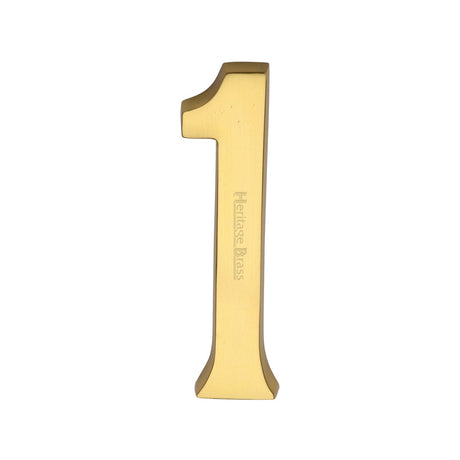 20% off
Heritage Brass
Heritage Brass Numeral 1 Concealed Fix 76mm (3") Unlacquered Brass Finish
SKU: c1564-1-ulb
Sale price £6.38 (Inc. VAT) Normal Price: £7.98 £5.32 (Ex. VAT)Unit price /Unavailable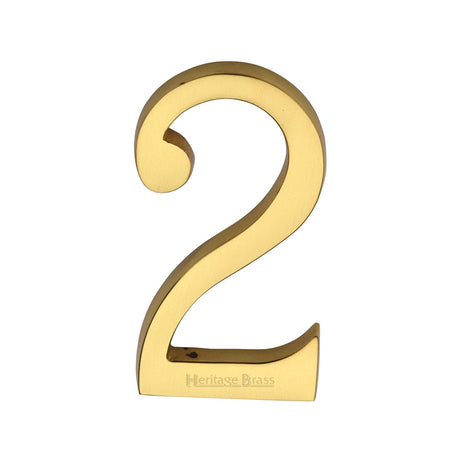 20% off
Heritage Brass
Heritage Brass Numeral 2 Concealed Fix 76mm (3") Unlacquered Brass Finish
SKU: c1564-2-ulb
Sale price £6.38 (Inc. VAT) Normal Price: £7.98 £5.32 (Ex. VAT)Unit price /Unavailable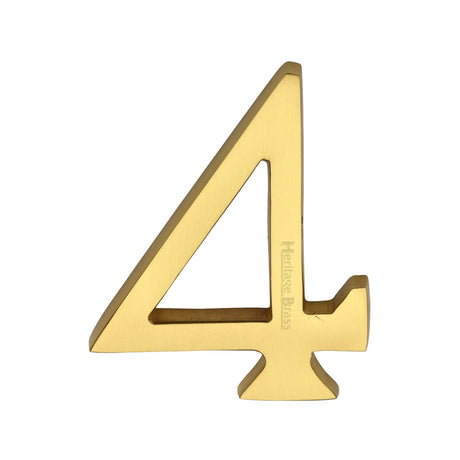 20% off
Heritage Brass
Heritage Brass Numeral 4 Concealed Fix 76mm (3") Unlacquered Brass Finish
SKU: c1564-4-ulb
Sale price £6.38 (Inc. VAT) Normal Price: £7.98 £5.32 (Ex. VAT)Unit price /Unavailable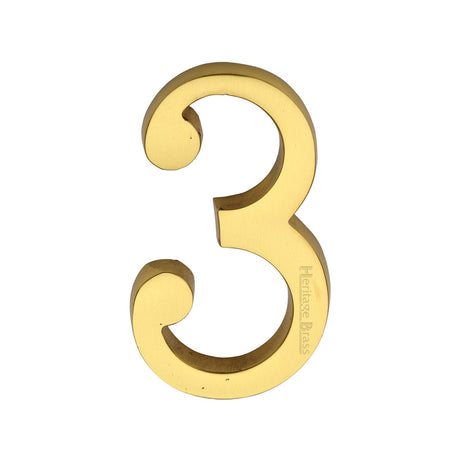 20% off
Heritage Brass
Heritage Brass Numeral 3 Concealed Fix 76mm (3") Unlacquered Brass Finish
SKU: c1564-3-ulb
Sale price £6.38 (Inc. VAT) Normal Price: £7.98 £5.32 (Ex. VAT)Unit price /Unavailable 20% off
Heritage Brass
Heritage Brass Ring Door Knocker Unlacquered Brass Finish
SKU: k1270-ulb
Sale price £65.08 (Inc. VAT) Normal Price: £81.35 £54.23 (Ex. VAT)Unit price /Unavailable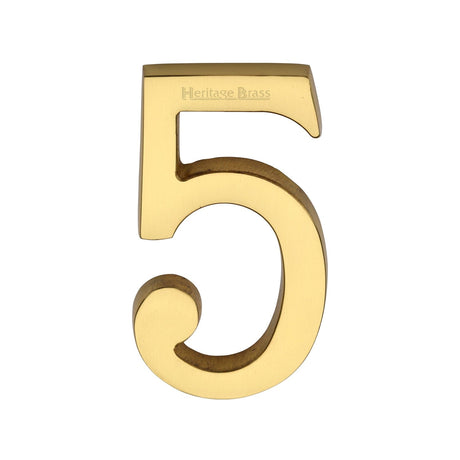 20% off
Heritage Brass
Heritage Brass Numeral 5 Concealed Fix 76mm (3") Unlacquered Brass Finish
SKU: c1564-5-ulb
Sale price £6.38 (Inc. VAT) Normal Price: £7.98 £5.32 (Ex. VAT)Unit price /Unavailable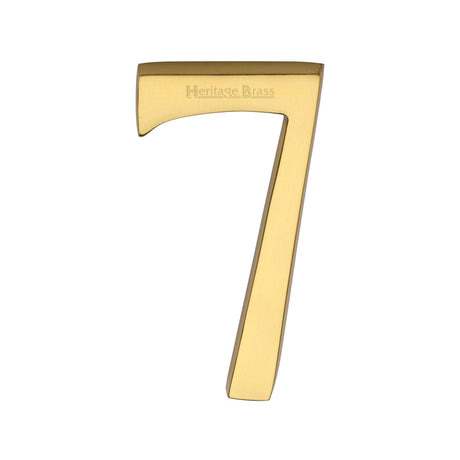 20% off
Heritage Brass
Heritage Brass Numeral 7 Concealed Fix 76mm (3") Unlacquered Brass Finish
SKU: c1564-7-ulb
Sale price £6.38 (Inc. VAT) Normal Price: £7.98 £5.32 (Ex. VAT)Unit price /Unavailable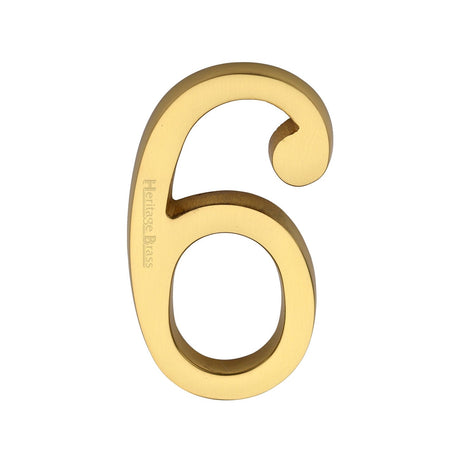 20% off
Heritage Brass
Heritage Brass Numeral 6 Concealed Fix 76mm (3") Unlacquered Brass Finish
SKU: c1564-6-ulb
Sale price £6.38 (Inc. VAT) Normal Price: £7.98 £5.32 (Ex. VAT)Unit price /Unavailable 20% off
Heritage Brass
Heritage Brass Slim Door Knocker Unlacquered Brass Finish
SKU: k1310-ulb
Sale price £32.06 (Inc. VAT) Normal Price: £40.08 £26.72 (Ex. VAT)Unit price /Unavailable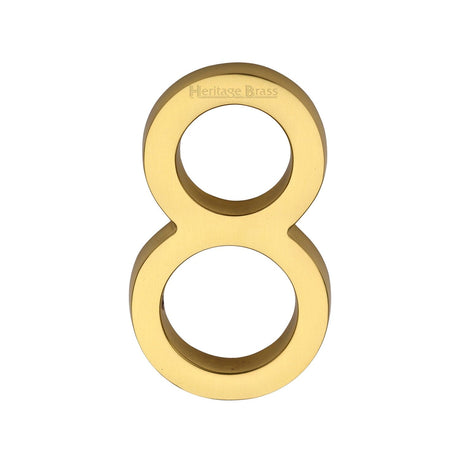 20% off
Heritage Brass
Heritage Brass Numeral 8 Concealed Fix 76mm (3") Unlacquered Brass Finish
SKU: c1564-8-ulb
Sale price £6.38 (Inc. VAT) Normal Price: £7.98 £5.32 (Ex. VAT)Unit price /Unavailable 20% off
Heritage Brass
Heritage Brass Numeral 9 Concealed Fix 76mm (3") Unlacquered Brass Finish
SKU: c1564-9-ulb
Sale price £6.38 (Inc. VAT) Normal Price: £7.98 £5.32 (Ex. VAT)Unit price /Unavailable 20% off
Heritage Brass
Heritage Brass Doctors Door Knocker Unlacquered Brass Finish
SKU: k1300-ulb
Sale price £66.95 (Inc. VAT) Normal Price: £83.69 £55.79 (Ex. VAT)Unit price /Unavailable 20% off
Heritage Brass
Heritage Brass Reeded Bell Push Unlacquered Brass Finish
SKU: rr1186-ulb
Sale price £20.67 (Inc. VAT) Normal Price: £25.84 £17.23 (Ex. VAT)Unit price /Unavailable 20% off
Heritage Brass
Heritage Brass Reeded Letter Plate 10 x 4 Inch Unlacquered Brass Finish
SKU: rr852-254-101-ulb
Sale price £51.66 (Inc. VAT) Normal Price: £64.57 £43.05 (Ex. VAT)Unit price /Unavailable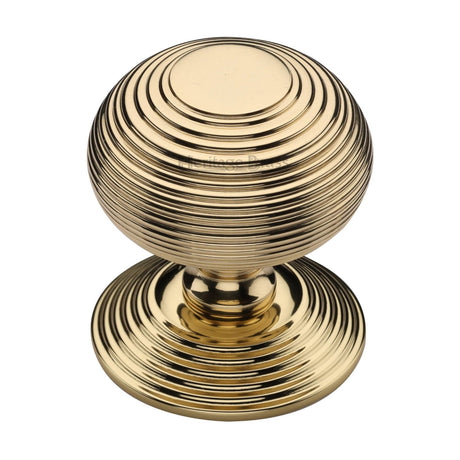 20% off
Heritage Brass
Heritage Brass Reeded Beehive Centre Door Knob 3 1/2 Inch Unlacquered Brass Finish
SKU: rr906-ulb
Sale price £113.65 (Inc. VAT) Normal Price: £142.07 £94.71 (Ex. VAT)Unit price /Unavailable 20% off
Heritage Brass
Heritage Brass Reeded Urn Door Knocker 7 1/4 Inch Unlacquered Brass Finish
SKU: rr912-195-ulb
Sale price £46.50 (Inc. VAT) Normal Price: £58.13 £38.75 (Ex. VAT)Unit price /Unavailable 20% off
Heritage Brass
Heritage Brass Rectangular Bell Push Unlacquered Brass Finish
SKU: v1182-ulb
Sale price £15.50 (Inc. VAT) Normal Price: £19.38 £12.92 (Ex. VAT)Unit price /Unavailable Sold out20% off
Heritage Brass
Heritage Brass Letter Plate 10 x 4 Inch Unlacquered Brass Finish
SKU: v850-254-101-ulb
Sale price £43.74 (Inc. VAT) Normal Price: £54.67 £36.45 (Ex. VAT)Unit price /Unavailable 20% off
Heritage Brass
Heritage Brass Round Centre Door Knob 3 Inch Unlacquered Brass Finish
SKU: v900-ulb
Sale price £59.92 (Inc. VAT) Normal Price: £74.90 £49.93 (Ex. VAT)Unit price /Unavailable Sold out20% off
Heritage Brass
Heritage Brass Letter Plate 10 x 3 Inch Unlacquered Brass Finish
SKU: v850-254-ulb
Sale price £31.25 (Inc. VAT) Normal Price: £39.06 £26.04 (Ex. VAT)Unit price /Unavailable Sold out20% off
Heritage Brass
Heritage Brass Urn Door Knocker 6 Inch Unlacquered Brass Finish
SKU: v910-152-ulb
Sale price £14.04 (Inc. VAT) Normal Price: £17.56 £11.70 (Ex. VAT)Unit price /Unavailable 20% off
Heritage Brass
Heritage Brass Letter Plate 12 x 4 Inch Unlacquered Brass Finish
SKU: v850-305-ulb
Sale price £55.80 (Inc. VAT) Normal Price: £69.74 £46.50 (Ex. VAT)Unit price /Unavailable 20% off
Heritage Brass
Heritage Brass Stepped Octagonal Centre Door Knob 3 Inch Unlacquered Brass Finish
SKU: v890-ulb
Sale price £59.92 (Inc. VAT) Normal Price: £74.90 £49.93 (Ex. VAT)Unit price /Unavailable 20% off
Heritage Brass
Heritage Brass Urn Door Knocker 7 1/4 Inch Unlacquered Brass Finish
SKU: v910-195-ulb
Sale price £34.68 (Inc. VAT) Normal Price: £43.36 £28.90 (Ex. VAT)Unit price /Unavailable 20% off
Heritage Brass
Heritage Brass Round Cylinder Pull Unlacquered Brass Finish
SKU: v930-ulb
Sale price £6.86 (Inc. VAT) Normal Price: £8.58 £5.72 (Ex. VAT)Unit price /Unavailable


Georgian, Victorian, Edwardian and cottage doors
Unlacquered Brass for Period Front Doors
Brass has dressed front doors for centuries, and unlacquered brass is a popular choice for restorations because it ages naturally with the door. Here is how to put a set together for different doors.
Georgian doors. A classic urn knocker with a round unlacquered brass centre door knob and a plain letter plate gives a balanced, symmetrical look on a panelled door.
Victorian doors. The reeded designs make a matching set: the 7 1/4 inch reeded urn knocker, the reeded 10 x 4 inch letter plate, the reeded beehive centre knob and the reeded bell push.
Edwardian and cottage doors. A ring knocker or the stepped octagonal centre knob suits simpler cottage and Edwardian doors.
Narrow and glazed doors. Where there is little solid timber above the letter plate, the slim knocker (backplate 165 x 40mm) and the doctors knocker (backplate 192 x 43mm) fit narrow stiles and rails.
Finishing the set. Add 76mm concealed fix unlacquered brass house numbers on the door or frame, a bell push, a round cylinder pull and a door stop buffer, all in the same finish so everything ages together.
The rest of the house. Carry the finish through to the windows and kitchen with unlacquered brass window furniture and unlacquered brass kitchen handles.
Knocker and letter plate sizes
Choosing Your Unlacquered Brass Knocker and Letter Plate
Size matters on a front door: a knocker or letter plate that is too large or too small for the door looks out of place. Here are the sizes in the unlacquered range.
Urn knockers. The 6 inch urn knocker is 152 x 66mm and suits smaller doors. The 7 1/4 inch urn and reeded urn knockers are 195 x 100mm for a bolder look on full size panelled doors.
Slim, doctors and ring knockers. The slim and doctors knockers are tall and narrow for doors with narrow stiles, and the ring knocker is 110mm across.
10 x 3 inch letter plate. Backplate 254 x 79mm with a 188 x 42mm aperture, a neat choice for doors with narrow rails.
10 x 4 inch letter plate. Backplate 254 x 101mm with a 208 x 50mm aperture. The reeded version is the same backplate size with a 206 x 47mm aperture.
12 x 4 inch letter plate. Backplate 305 x 101mm with a 249 x 61mm aperture, the largest opening for bigger post and parcels.
Check before you buy. Measure the width of the rail where the letter plate will go and allow for the backplate, and check that the door has room for the knocker above it. If you are unsure, send us a photo of your door.
More Unlacquered Brass Door Furniture Questions
Is there a matching reeded set?
Is there a matching reeded set?
Yes. The 7 1/4 inch reeded urn knocker, reeded 10 x 4 inch letter plate, reeded beehive centre knob and reeded bell push all share the reeded design.
Which letter plate has the largest opening?
Which letter plate has the largest opening?
The 12 x 4 inch letter plate, with a 249 x 61mm aperture.
Which knocker suits a narrow or glazed door?
Which knocker suits a narrow or glazed door?
The slim knocker, with a 165 x 40mm backplate, or the doctors knocker, with a 192 x 43mm backplate.
What size are the centre door knobs?
What size are the centre door knobs?
The round and stepped octagonal knobs are 3 inch and the reeded beehive knob is 3 1/2 inch.
Can I mix unlacquered and lacquered brass on the same door?
Can I mix unlacquered and lacquered brass on the same door?
You can, but they will look different as the unlacquered pieces age, so most people keep the whole door in one finish.