Heritage Brass Door Knockers
Shop Door Knockers by Design


Shop Door Knockers by Finish


 20% off
Heritage Brass
Heritage Brass Doctors Door Knocker Satin Chrome Finish
SKU: k1300-sc
Sale price £63.42 (Inc. VAT) Normal Price: £79.27 £52.85 (Ex. VAT)Unit price /Unavailable 20% off
Heritage Brass
Heritage Brass Doctors Door Knocker Satin Nickel Finish
SKU: k1300-sn
Sale price £71.31 (Inc. VAT) Normal Price: £89.14 £59.43 (Ex. VAT)Unit price /Unavailable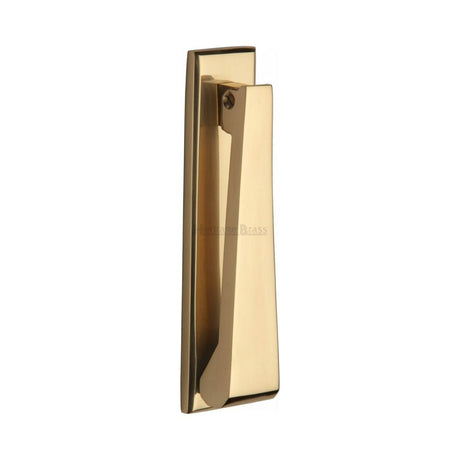 20% off
Heritage Brass
Heritage Brass Slim Door Knocker Polished Brass Finish
SKU: k1310-pb
Sale price £32.06 (Inc. VAT) Normal Price: £40.08 £26.72 (Ex. VAT)Unit price /Unavailable Sold out20% off
Heritage Brass
Heritage Brass Slim Door Knocker Polished Chrome Finish
SKU: k1310-pc
Sale price £32.06 (Inc. VAT) Normal Price: £40.08 £26.72 (Ex. VAT)Unit price /Unavailable Sold out20% off
Heritage Brass
Heritage Brass Lion Head Door Knocker Antique Brass Finish
SKU: k1210-at
Sale price £40.00 (Inc. VAT) Normal Price: £50.00 £33.33 (Ex. VAT)Unit price /Unavailable 20% off
Heritage Brass
Heritage Brass Lion Head Door Knocker Matt Bronze Finish
SKU: k1210-mb
Sale price £46.02 (Inc. VAT) Normal Price: £57.53 £38.35 (Ex. VAT)Unit price /Unavailable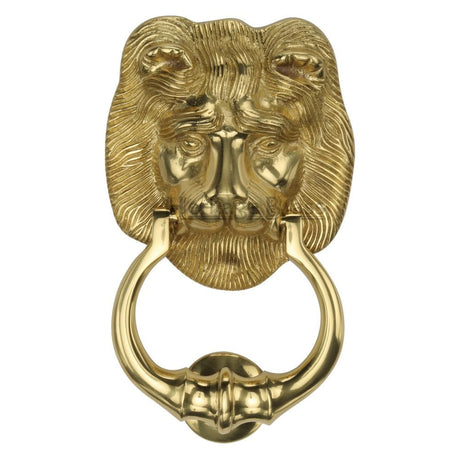 20% off
Heritage Brass
Heritage Brass Lion Head Door Knocker Polished Brass Finish
SKU: k1210-pb
Sale price £35.10 (Inc. VAT) Normal Price: £43.87 £29.25 (Ex. VAT)Unit price /Unavailable 20% off
Heritage Brass
Heritage Brass Lion Head Door Knocker Polished Chrome Finish
SKU: k1210-pc
Sale price £40.00 (Inc. VAT) Normal Price: £50.00 £33.33 (Ex. VAT)Unit price /Unavailable 20% off
Heritage Brass
Heritage Brass Ring Door Knocker Unlacquered Brass Finish
SKU: k1270-ulb
Sale price £65.08 (Inc. VAT) Normal Price: £81.35 £54.23 (Ex. VAT)Unit price /Unavailable 20% off
Heritage Brass
Heritage Brass Doctors Door Knocker Unlacquered Brass Finish
SKU: k1300-ulb
Sale price £66.95 (Inc. VAT) Normal Price: £83.69 £55.79 (Ex. VAT)Unit price /Unavailable 20% off
Heritage Brass
Heritage Brass Slim Door Knocker Matt Black Finish
SKU: k1310-bkmt
Sale price £32.06 (Inc. VAT) Normal Price: £40.08 £26.72 (Ex. VAT)Unit price /Unavailable 20% off
Heritage Brass
Heritage Brass Slim Door Knocker Unlacquered Brass Finish
SKU: k1310-ulb
Sale price £32.06 (Inc. VAT) Normal Price: £40.08 £26.72 (Ex. VAT)Unit price /Unavailable 20% off
Heritage Brass
Heritage Brass Urn Door Knocker 7 1/4 Inch Unlacquered Brass Finish
SKU: v910-195-ulb
Sale price £34.68 (Inc. VAT) Normal Price: £43.36 £28.90 (Ex. VAT)Unit price /Unavailable 20% off
Heritage Brass
Heritage Brass Urn Door Knocker 7 1/4 Inch Matt Black Finish
SKU: v910-195-bkmt
Sale price £34.68 (Inc. VAT) Normal Price: £43.36 £28.90 (Ex. VAT)Unit price /Unavailable Sold out20% off
Heritage Brass
Heritage Brass Urn Door Knocker 6 Inch Unlacquered Brass Finish
SKU: v910-152-ulb
Sale price £14.04 (Inc. VAT) Normal Price: £17.56 £11.70 (Ex. VAT)Unit price /Unavailable 20% off
Heritage Brass
Heritage Brass Reeded Urn Door Knocker 7 1/4 Inch Unlacquered Brass Finish
SKU: rr912-195-ulb
Sale price £46.50 (Inc. VAT) Normal Price: £58.13 £38.75 (Ex. VAT)Unit price /Unavailable 20% off
Heritage Brass
Heritage Brass Reeded Urn Door Knocker 7 1/4 Inch Satin Nickel Finish
SKU: rr912-195-sn
Sale price £46.50 (Inc. VAT) Normal Price: £58.13 £38.75 (Ex. VAT)Unit price /Unavailable 20% off
Heritage Brass
Heritage Brass Reeded Urn Door Knocker 7 1/4 Inch Satin Chrome Finish
SKU: rr912-195-sc
Sale price £46.50 (Inc. VAT) Normal Price: £58.13 £38.75 (Ex. VAT)Unit price /Unavailable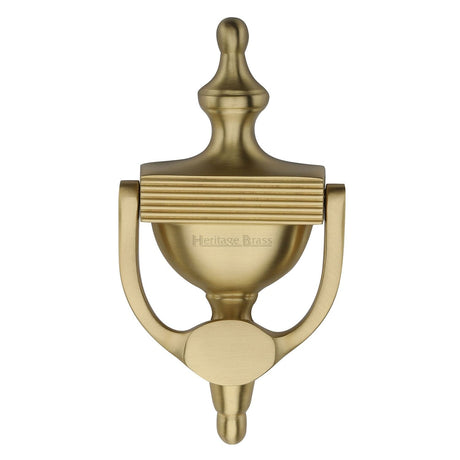 20% off
Heritage Brass
Heritage Brass Reeded Urn Door Knocker 7 1/4 Inch Satin Brass Finish
SKU: rr912-195-sb
Sale price £46.50 (Inc. VAT) Normal Price: £58.13 £38.75 (Ex. VAT)Unit price /Unavailable 20% off
Heritage Brass
Heritage Brass Reeded Urn Door Knocker 7 1/4 Inch Polished Nickel Finish
SKU: rr912-195-pnf
Sale price £46.50 (Inc. VAT) Normal Price: £58.13 £38.75 (Ex. VAT)Unit price /Unavailable 20% off
Heritage Brass
Heritage Brass Reeded Urn Door Knocker 7 1/4 Inch Polished Chrome Finish
SKU: rr912-195-pc
Sale price £46.50 (Inc. VAT) Normal Price: £58.13 £38.75 (Ex. VAT)Unit price /Unavailable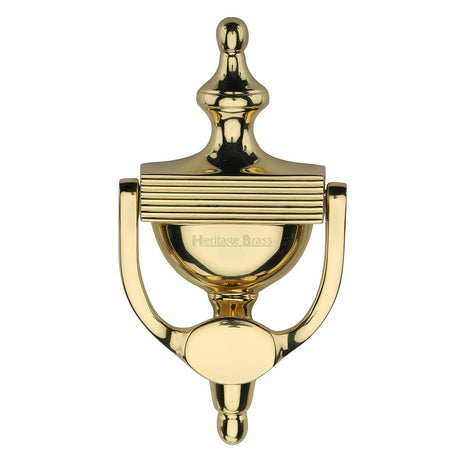 20% off
Heritage Brass
Heritage Brass Reeded Urn Door Knocker 7 1/4 Inch Polished Brass Finish
SKU: rr912-195-pb
Sale price £46.50 (Inc. VAT) Normal Price: £58.13 £38.75 (Ex. VAT)Unit price /Unavailable 20% off
Heritage Brass
Heritage Brass Reeded Urn Door Knocker 7 1/4 Inch Matt Bronze Finish
SKU: rr912-195-mb
Sale price £46.50 (Inc. VAT) Normal Price: £58.13 £38.75 (Ex. VAT)Unit price /Unavailable 20% off
Heritage Brass
Heritage Brass Reeded Urn Door Knocker 7 1/4 Inch Antique Brass Finish
SKU: rr912-195-at
Sale price £46.50 (Inc. VAT) Normal Price: £58.13 £38.75 (Ex. VAT)Unit price /Unavailable


Design, size, finish and fitting
How to Choose a Front Door Knocker
1. Choose a design for the age of the house: urn, lion head and doctors knockers suit Georgian and Victorian doors; the ring knocker suits cottages; the slim knocker suits modern and narrow doors.
2. Size it to the door: a 7 1/4 inch (195mm) urn or the 177mm lion head suits a tall six panel door. The 6 inch (152mm) urn and 110mm ring suit smaller doors. Check the space on the middle rail or stile before you order.
3. Match the finish: pick the same finish as your letter plate, centre door knob and house numbers. Lacquered brass stays bright for longer; unlacquered brass and polished nickel mellow over time.
4. Fit it at the right height: about 1.4 to 1.5m from the ground, centred on the door. Knockers bolt through, so check the bolt length suits your door. Our door knocker buying and fitting guide has more detail.
More Door Knocker Questions
Why is it called a doctors knocker?
Why is it called a doctors knocker?
The heavy knocker gave a loud knock that could be heard through the house at night, so it was traditionally fitted to the doctor's front door. Today it is simply a classic, substantial knocker for any period door.
Can I have a door knocker and a letter plate on the same door?
Can I have a door knocker and a letter plate on the same door?
Yes, usually with the knocker above the letter plate. Where space is tight, a letterbox knocker combines both in one piece.
Which door knocker is best for a narrow door?
Which door knocker is best for a narrow door?
The K1310 slim door knocker sits on a 40mm wide backplate, so it fits narrow stiles and doors with glass panels.
Will a brass knocker tarnish outdoors?
Will a brass knocker tarnish outdoors?
Lacquered brass finishes are sealed to slow tarnishing but will dull over many years outdoors. Unlacquered brass is designed to darken naturally and can be polished back to bright gold whenever you like.