Heritage Brass Mortice Knobs
Solid Brass Door Knobs for Mortice Latches and Locks
Heritage Brass mortice knobs by M.Marcus, the British door hardware maker founded in 1940, are turned and cast from solid brass, then plated or lacquered. The range covers over 250 pairs of brass door knobs: classic knobs on a round rose, knobs on a backplate for latch, lock, bathroom and euro profile doors, concealed fixing knobs, porcelain knobs and Art Deco designs. They suit Georgian, Victorian and Edwardian panel doors as well as cottage and new-build homes.
Trade Door Handles is the online shop of T.H. Wiggans Ironmongery, trading since 1976. Our Kendal and Carlisle showrooms both carry a large Heritage Brass display, so we can help you match knobs, latches and escutcheons for every door in the house.
Mortice Knobs on Rose or on Backplate
Mortice knobs on rose are the traditional British door knob, a turned knob on a small round rose that leaves the door face clear. Mortice knobs on backplate put the knob on a tall plate. Choose the plate to suit the door: latch plates for doors with no lock, lock plates with a keyhole, bathroom mortice knobs on plate with a turn and release, and euro profile plates for cylinder locks. For a clean look with no visible screws, see concealed fixing mortice knobs.
Popular Door Knob Styles
Porcelain door knobs, often called ceramic door knobs, are one of the most searched styles, with plain white, gold line, white crackle and cream crackle knobs on a brass or chrome base. Oval mortice knobs are easier to grip than a round knob. Reeded door knobs and beehive door knobs suit Victorian and Edwardian homes, Art Deco mortice knobs suit 1930s houses, and knurled mortice knobs add grip and texture. On backplate, the Victoria and low profile Balmoral ranges are the most popular.
Mortice Knobs by Finish
Antique brass door knobs are by far the most searched finish, a warm, aged brass that suits painted and oak doors in period homes. Satin brass mortice knobs give a softer, brushed gold, and polished brass mortice knobs the classic bright brass look. Matt bronze is a dark, low-sheen alternative to black. For cool colour schemes, choose polished chrome, satin nickel or satin chrome mortice knobs.
Latches, Escutcheons and Rim Knobs
Mortice knobs need a tubular latch, sold separately. Most doors take a 3 inch latch from our latches for mortice knobs range: lightly sprung standard tubular latches for sprung knobs, or heavy duty tubular latches for unsprung knobs. Larger knobs and wide stiles may need 4 and 5 inch long backset latches. A York tubular latch is also a good match. See all York Security locks and latches. On lock doors with knobs on rose, add matching Heritage Brass escutcheons, such as the small keyhole covers sized for doors with mortice knobs. For a bathroom door with knobs on rose, add a York tubular bathroom deadbolt and a round bathroom thumb turn. If your door has a rim lock fixed to its face, you need Heritage Brass rim knobs instead.
New to door knobs? Read our expert guide to mortice knobs and rim knobs, compare the wider mortice knobs range, or see the full Heritage Brass door handles and knobs collection.
Many period doors also have a finger plate above the knob to protect the paint. Choose a Heritage Brass finger plate in the same finish, or a shaped porcelain finger plate to match porcelain door knobs.
Heritage Brass Mortice Knob Questions
What is a mortice knob?
A mortice knob is a turning door knob used in pairs on a spindle that passes through a tubular latch or mortice lock set into the edge of the door. Turning either knob draws back the latch so the door opens.
Should I choose mortice knobs on rose or on backplate?
Knobs on a round rose leave the door face clear and suit most internal doors; add a separate escutcheon if the door has a keyhole. Knobs on a backplate have the keyhole, bathroom turn or euro cut-out built into the plate, and the plate covers old fixing holes, which is useful when replacing lever handles.
What latch do I need for mortice knobs?
Most mortice knobs need a 3 inch (76mm) tubular latch so your knuckles clear the door frame. Larger knobs and doors with deep mouldings may need a 4 or 5 inch long backset latch. Unsprung knobs need a strongly sprung heavy duty latch.
What comes in the box?
Heritage Brass mortice knobs are sold as a pair, with a spindle and fixings. The latch or lock is sold separately.
What is the difference between mortice knobs and rim knobs?
Mortice knobs work with a latch or lock set into the edge of the door. Rim knobs work with a rim lock fixed to the face of the door and have a different spindle, so the two are not interchangeable.
What finishes are Heritage Brass mortice knobs available in?
The core finishes are antique brass, satin brass, polished brass, matt bronze, polished chrome, satin nickel and satin chrome, with polished nickel and matt black on selected designs. Porcelain knobs come on a choice of metal bases.
Shop Mortice Knobs by Type


Popular Mortice Knob Designs


Shop Mortice Knobs by Finish


 20% off
Heritage Brass
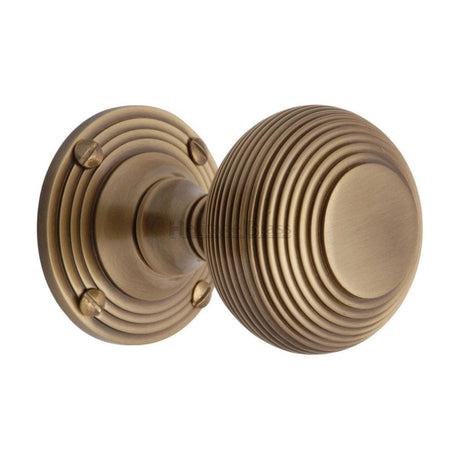
Heritage Brass Mortice Knob on Rose Reeded Design Antique Brass Finish
SKU: marcus-v971-at
Sale price £41.51 (Inc. VAT) Normal Price: £51.89 £34.59 (Ex. VAT)Unit price /Unavailable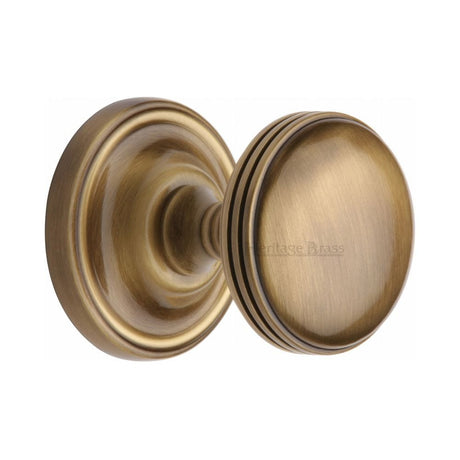 20% off
Heritage Brass
Heritage Brass Mortice Knob on Rose Whitehall Design Antique Brass Finish
SKU: marcus-whi6429-at
Sale price £57.04 (Inc. VAT) Normal Price: £71.30 £47.53 (Ex. VAT)Unit price /Unavailable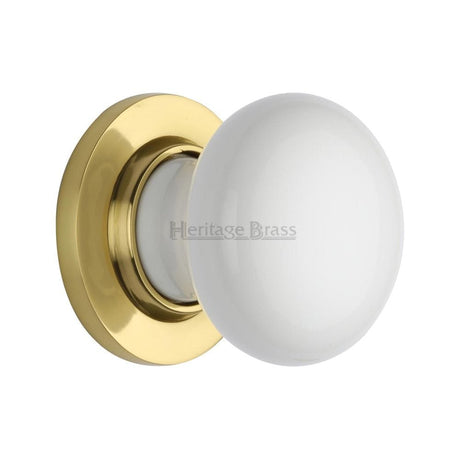 20% off
Heritage Brass
Heritage Brass White Knob with Polished Brass base
SKU: marcus-5010-pb
Sale price £29.92 (Inc. VAT) Normal Price: £37.40 £24.93 (Ex. VAT)Unit price /Unavailable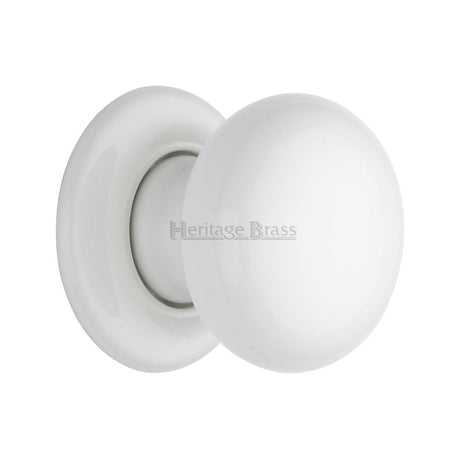 20% off
Heritage Brass
Heritage Brass Mortice Knob on Rose White Design Porcelain
SKU: marcus-5010-pr
Sale price £21.07 (Inc. VAT) Normal Price: £26.34 £17.56 (Ex. VAT)Unit price /Unavailable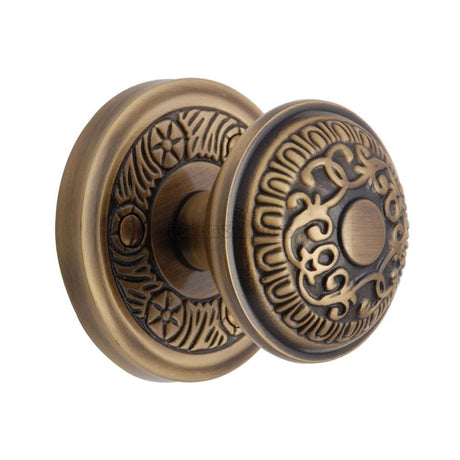 20% off
Heritage Brass
Heritage Brass Mortice Knob on Rose Aydon Design Antique Brass Finish
SKU: marcus-ayd1324-at
Sale price £44.28 (Inc. VAT) Normal Price: £55.34 £36.90 (Ex. VAT)Unit price /Unavailable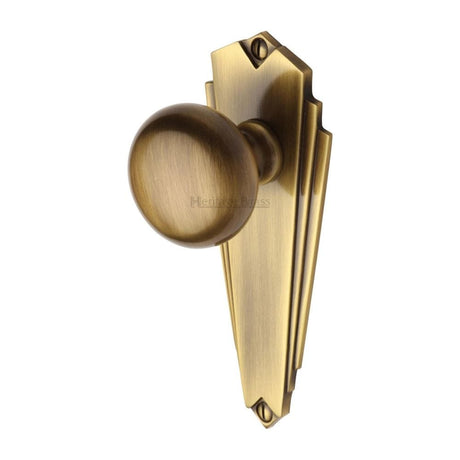 20% off
Heritage Brass
Heritage Brass Mortice Knob on Latch Plate Broadway Design Antique Brass Finish
SKU: marcus-br1810-at
Sale price £57.21 (Inc. VAT) Normal Price: £71.51 £47.68 (Ex. VAT)Unit price /Unavailable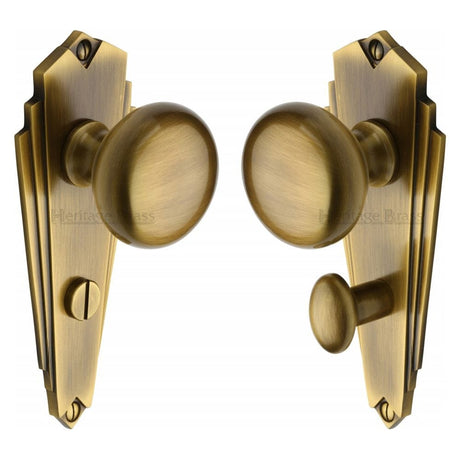 Sold out20% off
Heritage Brass
Heritage Brass Mortice Knob on Bathroom Plate Broadway Design Antique Brass Finish
SKU: marcus-br1830-at
Sale price £64.32 (Inc. VAT) Normal Price: £80.40 £53.60 (Ex. VAT)Unit price /Unavailable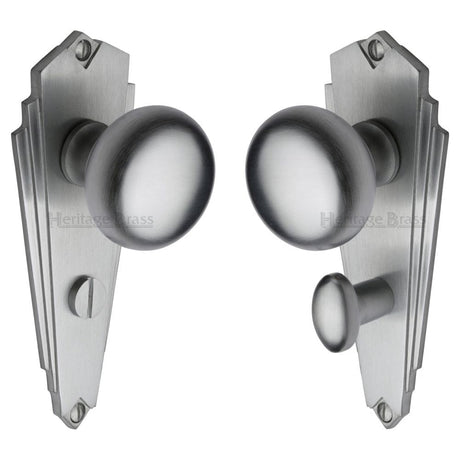 20% off
Heritage Brass
Heritage Brass Mortice Knob on Bathroom Plate Broadway Design Satin Chrome Finish
SKU: marcus-br1830-sc
Sale price £64.32 (Inc. VAT) Normal Price: £80.40 £53.60 (Ex. VAT)Unit price /Unavailable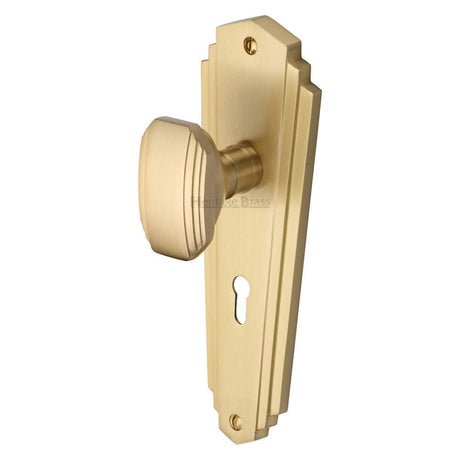 20% off
Heritage Brass
Heritage Brass Mortice Knob on Lock Plate Charlston Design Satin Brass Finish
SKU: marcus-cha1900-sb
Sale price £88.25 (Inc. VAT) Normal Price: £110.32 £73.54 (Ex. VAT)Unit price /Unavailable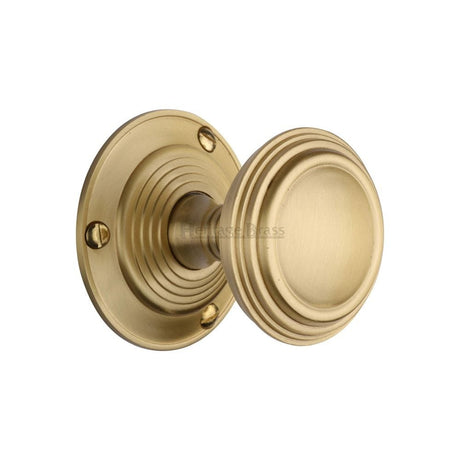 20% off
Heritage Brass
Heritage Brass Mortice Knob on Rose Goodrich Design Satin Brass Finish
SKU: marcus-goo986-sb
Sale price £50.14 (Inc. VAT) Normal Price: £62.68 £41.78 (Ex. VAT)Unit price /Unavailable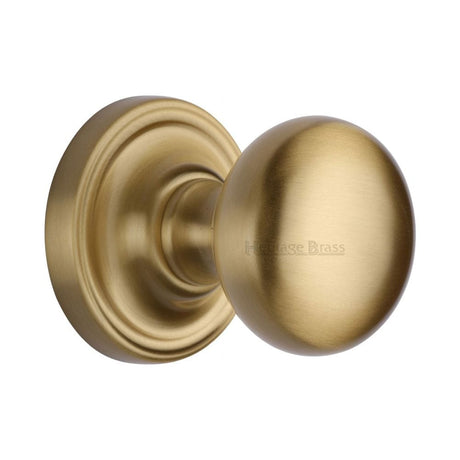 20% off
Heritage Brass
Heritage Brass Mortice Knob on Rose Hampstead Design Satin Brass Finish
SKU: marcus-ham8361-sb
Sale price £61.35 (Inc. VAT) Normal Price: £76.69 £51.13 (Ex. VAT)Unit price /Unavailable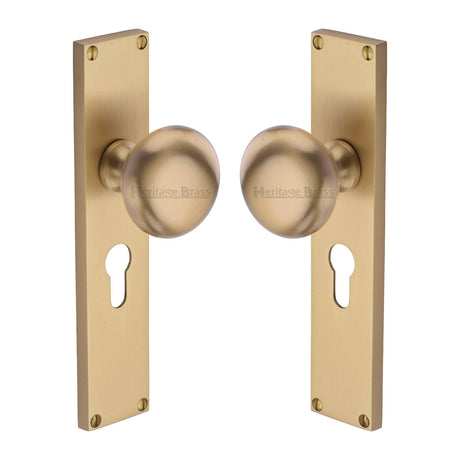 Sold out20% off
Heritage Brass
Heritage Brass Mortice Knob on Euro Profile Plate Victoria Design Satin Brass Finish
SKU: marcus-V9448-SB
Sale price £75.60 (Inc. VAT) Normal Price: £94.50 £63.00 (Ex. VAT)Unit price /Unavailable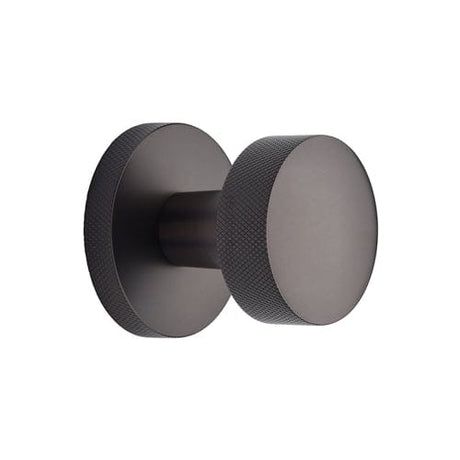 20% off
Heritage Brass
Heritage Brass Knightsbridge Knurled Knob on Knurled Concealed base Matt Bronze Finish
SKU: marcus-HLS8805-MB
Sale price £103.82 (Inc. VAT) Normal Price: £129.78 £86.52 (Ex. VAT)Unit price /Unavailable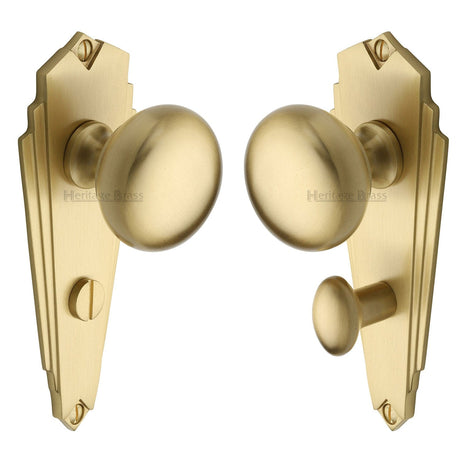 Sold out20% off
Heritage Brass
Heritage Brass Mortice Knob on Bathroom Plate Broadway Design Satin Brass Finish
SKU: marcus-br1830-sb
Sale price £73.65 (Inc. VAT) Normal Price: £92.06 £61.38 (Ex. VAT)Unit price /Unavailable 20% off
Heritage Brass
Heritage Brass Mortice Knob on Rose Aylesbury Design Satin Nickel Finish
SKU: marcus-V872-SN
Sale price £46.03 (Inc. VAT) Normal Price: £57.54 £38.36 (Ex. VAT)Unit price /Unavailable 20% off
Heritage Brass
Heritage Brass Mortice Knob Aylesbury Design Satin Brass Finish
SKU: marcus-V872-SB
Sale price £52.95 (Inc. VAT) Normal Price: £66.19 £44.13 (Ex. VAT)Unit price /Unavailable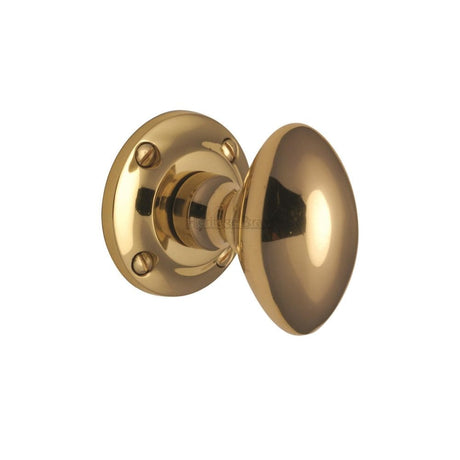 20% off
Heritage Brass
Heritage Brass Mortice Knob on Rose Suffolk Design Polished Brass Finish
SKU: marcus-v960-pb
Sale price £36.61 (Inc. VAT) Normal Price: £45.77 £30.51 (Ex. VAT)Unit price /Unavailable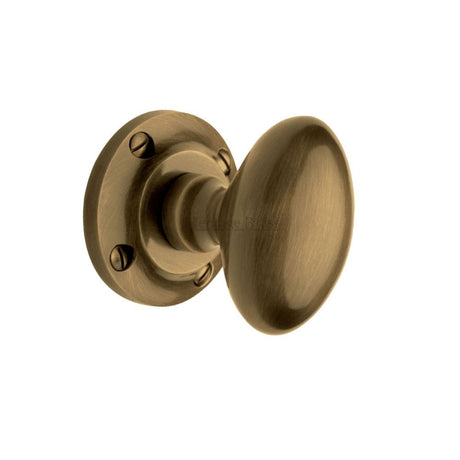 20% off
Heritage Brass
Heritage Brass Mortice Knob on Rose Suffolk Design Antique Brass Finish
SKU: marcus-v960-at
Sale price £45.29 (Inc. VAT) Normal Price: £56.62 £37.74 (Ex. VAT)Unit price /Unavailable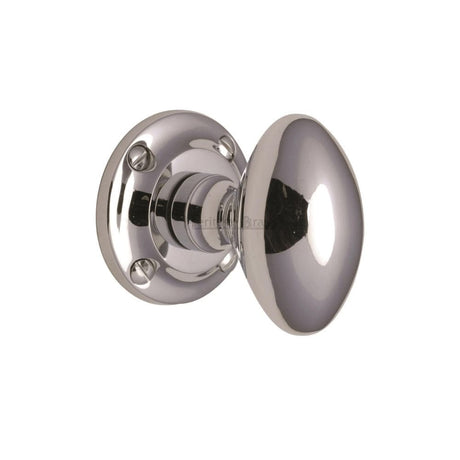 20% off
Heritage Brass
Heritage Brass Mortice Knob on Rose Suffolk Design Polished Chrome Finish
SKU: marcus-v960-pc
Sale price £41.17 (Inc. VAT) Normal Price: £51.47 £34.31 (Ex. VAT)Unit price /Unavailable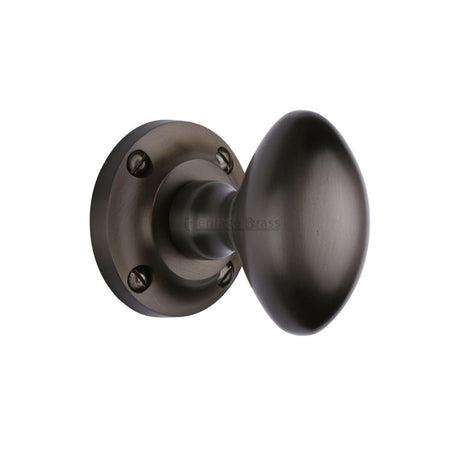 20% off
Heritage Brass
Heritage Brass Mortice Knob on Rose Suffolk Design Matt Bronze Finish
SKU: marcus-v960-mb
Sale price £52.06 (Inc. VAT) Normal Price: £65.08 £43.38 (Ex. VAT)Unit price /Unavailable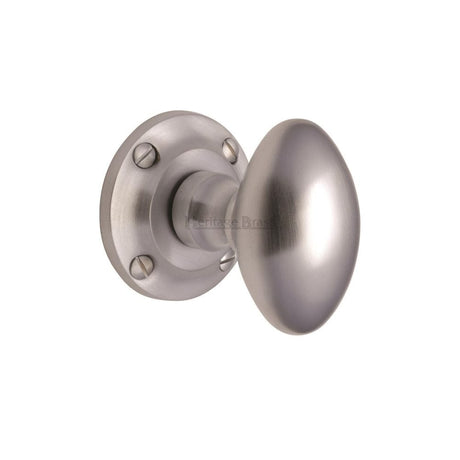 20% off
Heritage Brass
Heritage Brass Mortice Knob on Rose Suffolk Design Satin Chrome Finish
SKU: marcus-v960-sc
Sale price £41.17 (Inc. VAT) Normal Price: £51.47 £34.31 (Ex. VAT)Unit price /Unavailable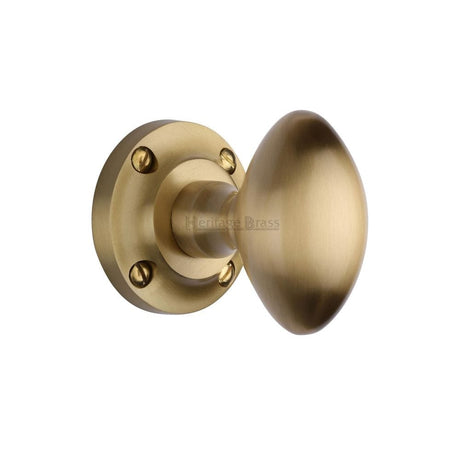 20% off
Heritage Brass
Heritage Brass Mortice Knob on Rose Suffolk Design Satin Brass Finish
SKU: marcus-v960-sb
Sale price £52.06 (Inc. VAT) Normal Price: £65.08 £43.38 (Ex. VAT)Unit price /Unavailable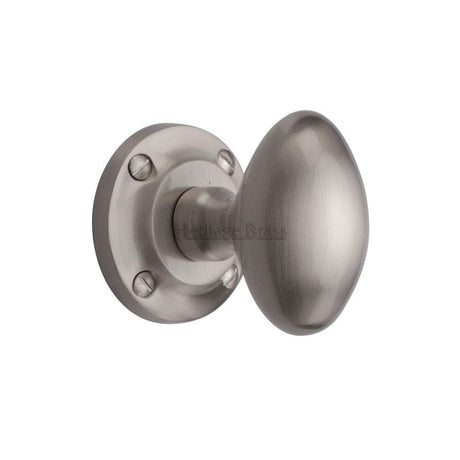 20% off
Heritage Brass
Heritage Brass Mortice Knob on Rose Suffolk Design Satin Nickel Finish
SKU: marcus-v960-sn
Sale price £45.29 (Inc. VAT) Normal Price: £56.62 £37.74 (Ex. VAT)Unit price /Unavailable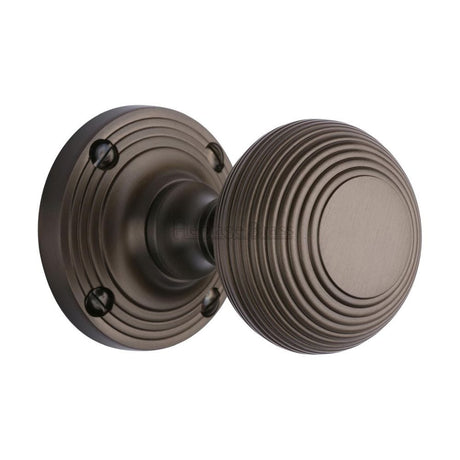 20% off
Heritage Brass
Heritage Brass Mortice Knob on Rose Reeded Design Matt Bronze Finish
SKU: marcus-v971-mb
Sale price £47.75 (Inc. VAT) Normal Price: £59.69 £39.79 (Ex. VAT)Unit price /Unavailable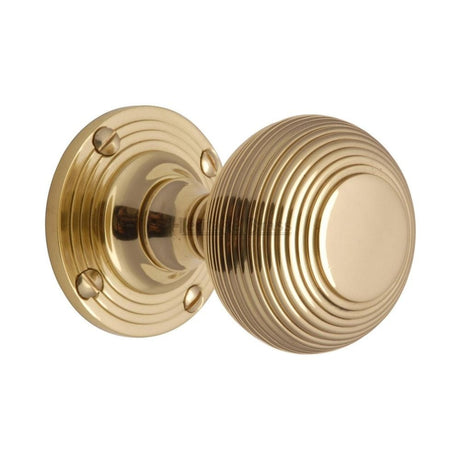 20% off
Heritage Brass
Heritage Brass Mortice Knob on Rose Reeded Design Polished Brass Finish
SKU: marcus-v971-pb
Sale price £38.76 (Inc. VAT) Normal Price: £48.46 £32.30 (Ex. VAT)Unit price /Unavailable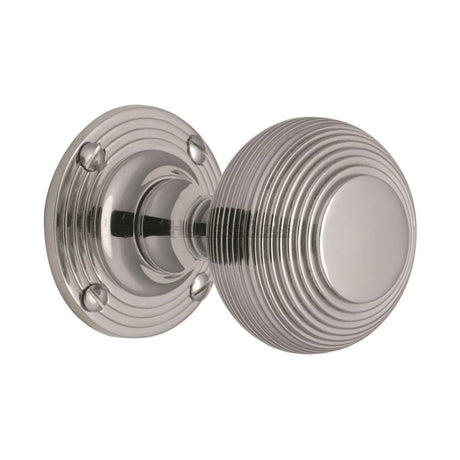 20% off
Heritage Brass
Heritage Brass Mortice Knob on Rose Reeded Design Polished Chrome Finish
SKU: marcus-v971-pc
Sale price £40.59 (Inc. VAT) Normal Price: £50.74 £33.83 (Ex. VAT)Unit price /Unavailable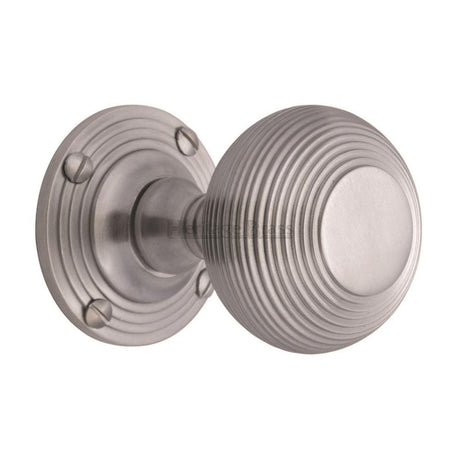 20% off
Heritage Brass
Heritage Brass Mortice Knob on Rose Reeded Design Satin Chrome Finish
SKU: marcus-v971-sc
Sale price £42.47 (Inc. VAT) Normal Price: £53.09 £35.39 (Ex. VAT)Unit price /Unavailable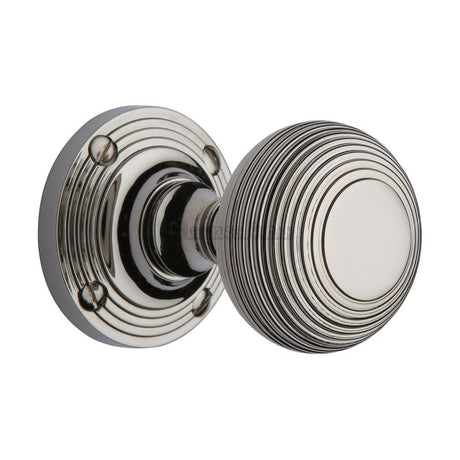 20% off
Heritage Brass
Heritage Brass Mortice Knob on Rose Reeded Design Polished Nickel Finish
SKU: marcus-v971-pnf
Sale price £47.60 (Inc. VAT) Normal Price: £59.50 £39.67 (Ex. VAT)Unit price /Unavailable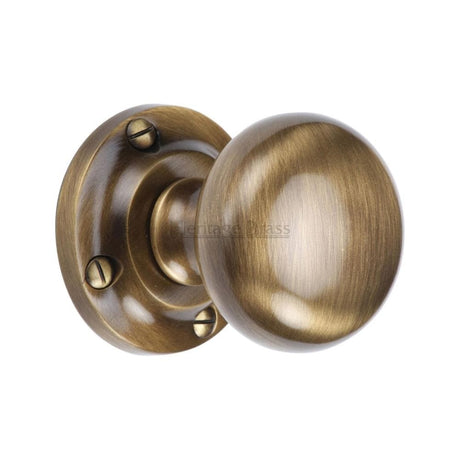 20% off
Heritage Brass
Heritage Brass Mortice Knob on Rose Victoria Design Antique Brass Finish
SKU: marcus-v980-at
Sale price £41.71 (Inc. VAT) Normal Price: £52.14 £34.76 (Ex. VAT)Unit price /Unavailable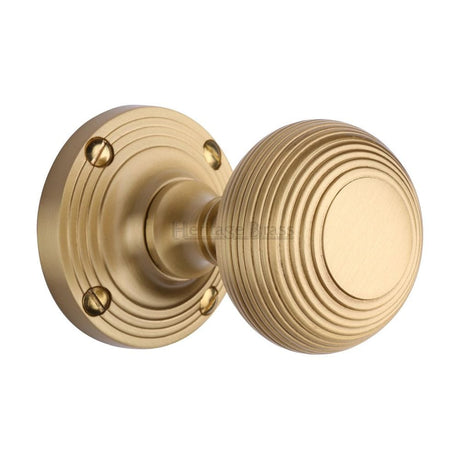 20% off
Heritage Brass
Heritage Brass Mortice Knob on Rose Reeded Design Satin Brass Finish
SKU: marcus-v971-sb
Sale price £47.75 (Inc. VAT) Normal Price: £59.69 £39.79 (Ex. VAT)Unit price /Unavailable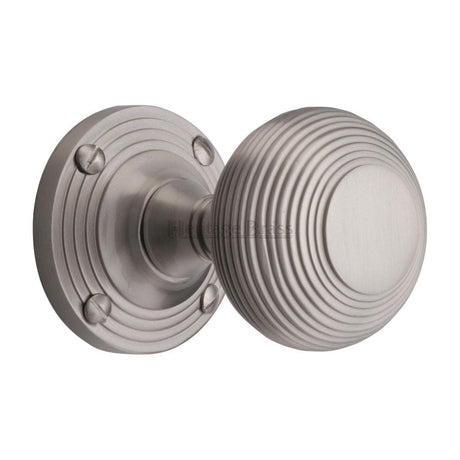 20% off
Heritage Brass
Heritage Brass Mortice Knob on Rose Reeded Design Satin Nickel Finish
SKU: marcus-v971-sn
Sale price £47.97 (Inc. VAT) Normal Price: £59.96 £39.98 (Ex. VAT)Unit price /Unavailable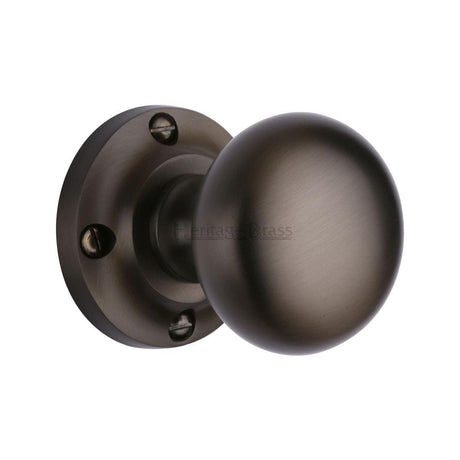 20% off
Heritage Brass
Heritage Brass Mortice Knob on Rose Victoria Design Matt Bronze Finish
SKU: marcus-v980-mb
Sale price £47.90 (Inc. VAT) Normal Price: £59.88 £39.92 (Ex. VAT)Unit price /Unavailable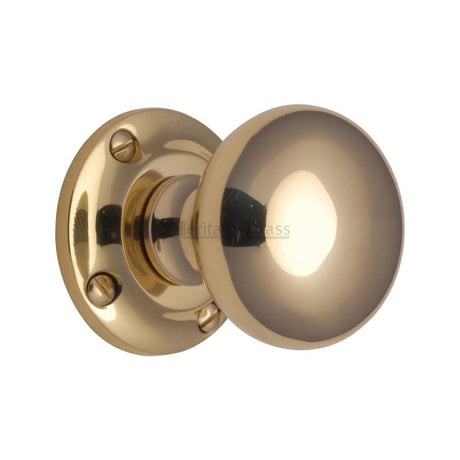 20% off
Heritage Brass
Heritage Brass Mortice Knob on Rose Victoria Design Polished Brass Finish
SKU: marcus-v980-pb
Sale price £33.50 (Inc. VAT) Normal Price: £41.88 £27.92 (Ex. VAT)Unit price /Unavailable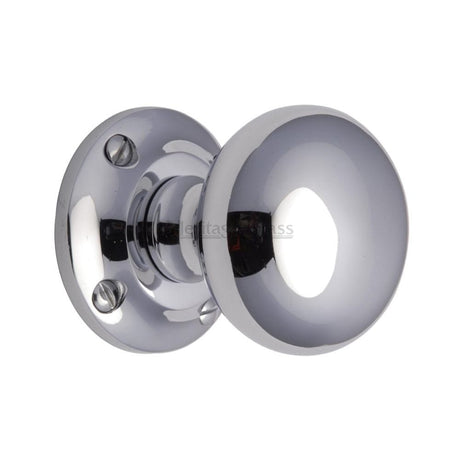 20% off
Heritage Brass
Heritage Brass Mortice Knob on Rose Victoria Design Polished Chrome Finish
SKU: marcus-v980-pc
Sale price £39.72 (Inc. VAT) Normal Price: £49.64 £33.10 (Ex. VAT)Unit price /Unavailable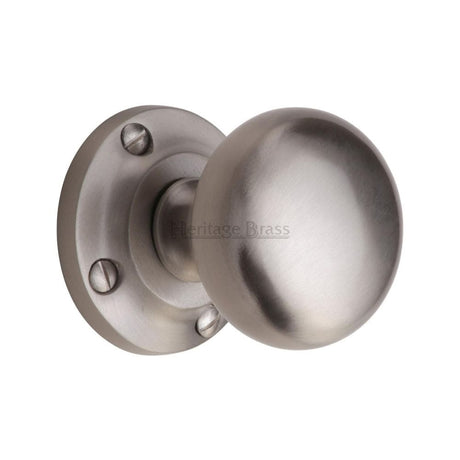 20% off
Heritage Brass
Heritage Brass Mortice Knob on Rose Victoria Design Satin Nickel Finish
SKU: marcus-v980-sn
Sale price £39.72 (Inc. VAT) Normal Price: £49.64 £33.10 (Ex. VAT)Unit price /Unavailable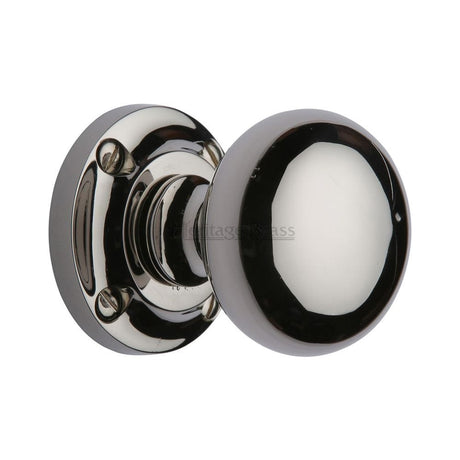 20% off
Heritage Brass
Heritage Brass Mortice Knob on Rose Victoria Design Polished Nickel Finish
SKU: marcus-v980-pnf
Sale price £46.11 (Inc. VAT) Normal Price: £57.64 £38.43 (Ex. VAT)Unit price /Unavailable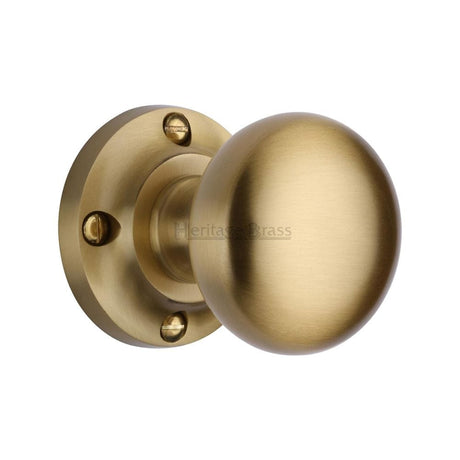 20% off
Heritage Brass
Heritage Brass Mortice Knob on Rose Victoria Design Satin Brass Finish
SKU: marcus-v980-sb
Sale price £47.90 (Inc. VAT) Normal Price: £59.88 £39.92 (Ex. VAT)Unit price /Unavailable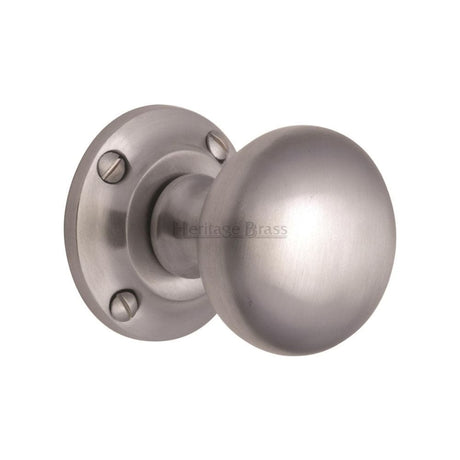 20% off
Heritage Brass
Heritage Brass Mortice Knob on Rose Victoria Design Satin Chrome Finish
SKU: marcus-v980-sc
Sale price £39.72 (Inc. VAT) Normal Price: £49.64 £33.10 (Ex. VAT)Unit price /Unavailable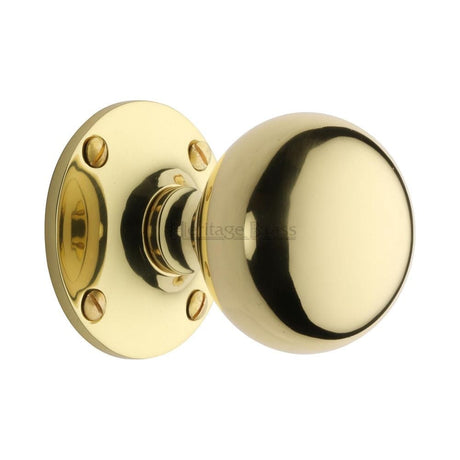 20% off
Heritage Brass
Heritage Brass Mortice Knob Westminster Design Polished Brass Finish
SKU: marcus-wes970-pb
Sale price £38.93 (Inc. VAT) Normal Price: £48.66 £32.44 (Ex. VAT)Unit price /Unavailable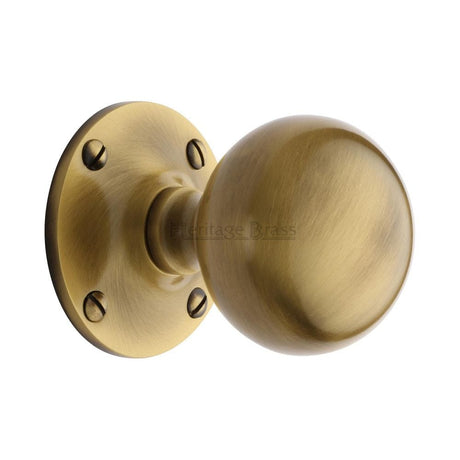 20% off
Heritage Brass
Heritage Brass Mortice Knob Westminster Design Antique Brass Finish
SKU: marcus-wes970-at
Sale price £43.41 (Inc. VAT) Normal Price: £54.26 £36.18 (Ex. VAT)Unit price /Unavailable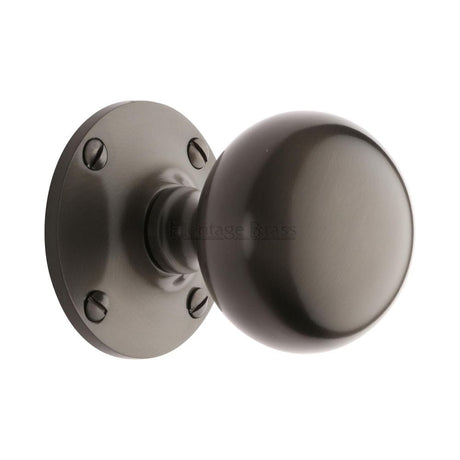 20% off
Heritage Brass
Heritage Brass Mortice Knob Westminster Design Matt Bronze Finish
SKU: marcus-wes970-mb
Sale price £50.92 (Inc. VAT) Normal Price: £63.65 £42.43 (Ex. VAT)Unit price /Unavailable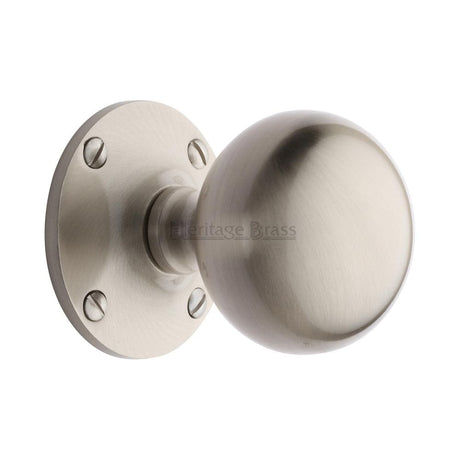 20% off
Heritage Brass
Heritage Brass Mortice Knob Westminster Design Satin Nickel Finish
SKU: marcus-wes970-sn
Sale price £43.41 (Inc. VAT) Normal Price: £54.26 £36.18 (Ex. VAT)Unit price /Unavailable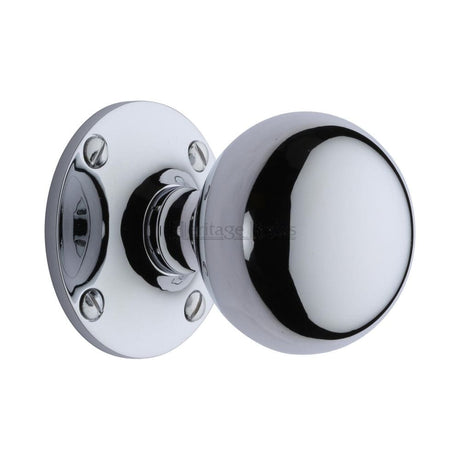 20% off
Heritage Brass
Heritage Brass Mortice Knob Westminster Design Polished Chrome Finish
SKU: marcus-wes970-pc
Sale price £38.93 (Inc. VAT) Normal Price: £48.66 £32.44 (Ex. VAT)Unit price /Unavailable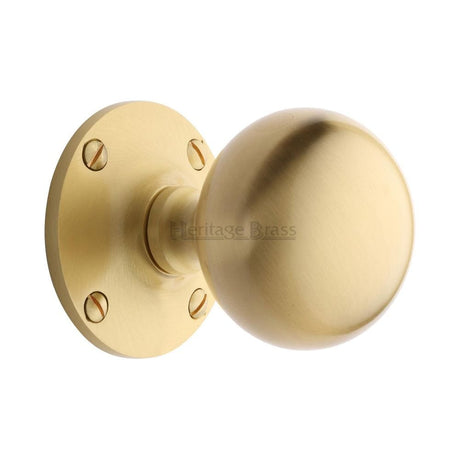 20% off
Heritage Brass
Heritage Brass Mortice Knob Westminster Design Satin Brass Finish
SKU: marcus-wes970-sb
Sale price £50.92 (Inc. VAT) Normal Price: £63.65 £42.43 (Ex. VAT)Unit price /Unavailable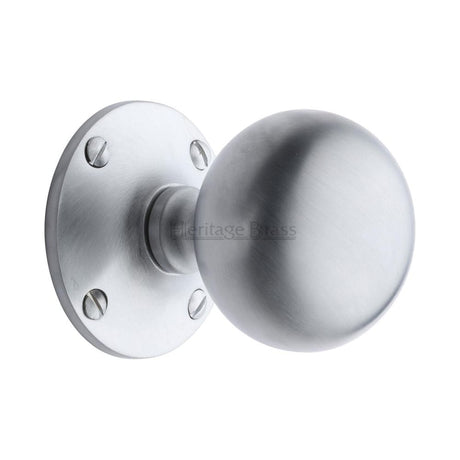 20% off
Heritage Brass
Heritage Brass Mortice Knob Westminster Design Satin Chrome Finish
SKU: marcus-wes970-sc
Sale price £38.93 (Inc. VAT) Normal Price: £48.66 £32.44 (Ex. VAT)Unit price /Unavailable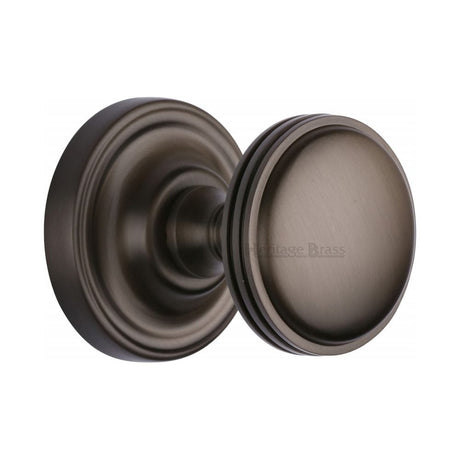 20% off
Heritage Brass
Heritage Brass Mortice Knob on Rose Whitehall Design Matt Bronze Finish
SKU: marcus-whi6429-mb
Sale price £65.57 (Inc. VAT) Normal Price: £81.96 £54.64 (Ex. VAT)Unit price /Unavailable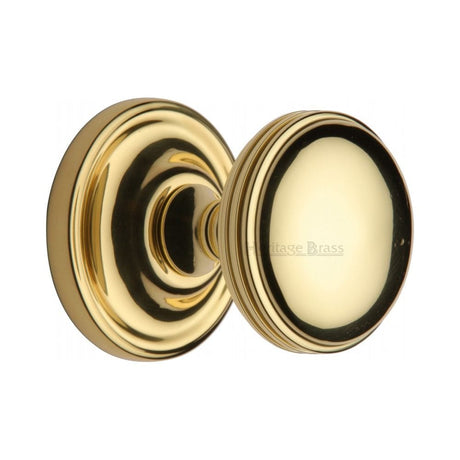 20% off
Heritage Brass
Heritage Brass Mortice Knob on Rose Whitehall Design Polished Brass Finish
SKU: marcus-whi6429-pb
Sale price £57.04 (Inc. VAT) Normal Price: £71.30 £47.53 (Ex. VAT)Unit price /Unavailable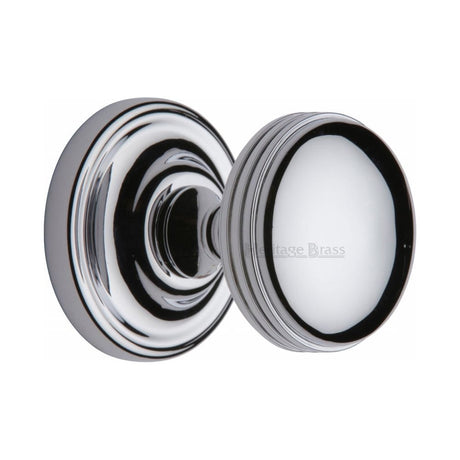 20% off
Heritage Brass
Heritage Brass Mortice Knob on Rose Whitehall Design Polished Chrome Finish
SKU: marcus-whi6429-pc
Sale price £57.04 (Inc. VAT) Normal Price: £71.30 £47.53 (Ex. VAT)Unit price /Unavailable


Period homes, bathrooms and modern doors
Choosing the Right Door Knobs for Your Home
Door knobs give a door a softer, more traditional look than a lever handle, and a turned brass knob is right at home in older houses. The right choice depends on the door and the room.
Period homes: Georgian and Victorian panel doors suit mortice knobs on rose in antique brass or polished brass. Victorian and Edwardian houses also suit reeded and beehive door knobs, while Art Deco knobs suit 1930s semis and villas. Porcelain door knobs are a classic choice for cottages and bedrooms.
Bathrooms and lock doors: for a bathroom or toilet door, bathroom mortice knobs on plate have the turn and release built into the plate. For doors with a key, choose mortice knobs on a lock plate, or knobs on rose with matching escutcheons.
Modern and new-build homes: concealed fixing knobs hide the screws for a clean look, and knurled knobs add texture. Satin nickel, satin chrome and matt bronze suit grey, white and dark painted doors.
Know the design name?
Shop Heritage Brass Mortice Knobs by Design
Every Heritage Brass knob design has its own page showing all the finishes it comes in. If you already know the design name, or want to match knobs you have elsewhere in the house, go straight to the range.
Knobs on rose: Chester, Goodrich, Kensington, Mayfair, Richmond, Westminster, Aydon ornate, Victoria, Reeded beehive, Suffolk oval.
Concealed fixing knobs: Chelsea, Hampstead, Whitehall, Knightsbridge knurled, Owen knurled.
Knobs on backplate: Victoria on plate, Victoria on reeded plate, Beehive on reeded plate, Balmoral, Charlston Art Deco, Broadway Art Deco.
Porcelain knobs: Plain White, Gold Line, White Crackle, Cream Crackle.
Mortice Knob Fitting and Style Questions
Can I replace lever handles with mortice knobs?
Can I replace lever handles with mortice knobs?
Yes. Check the latch first: many lever handle latches have a short backset that brings a knob too close to the frame, so you may need a 3 inch latch for mortice knobs. Knobs on backplate are useful here because the plate covers the old fixing holes.
What is a concealed fixing door knob?
What is a concealed fixing door knob?
On a concealed fixing knob, the rose screws to the door first and a cover clips or screws over it, so no screws are visible. See our concealed fixing mortice knobs.
What is the difference between reeded and beehive door knobs?
What is the difference between reeded and beehive door knobs?
A reeded knob has fine raised lines running around or along it. A beehive knob is built up in stepped rings, like a traditional straw beehive. Some designs combine both. See reeded door knobs and beehive door knobs.
Can I use mortice knobs with a sashlock?
Can I use mortice knobs with a sashlock?
Yes. A sashlock combines a latch and a key lock in one body. Use knobs on a lock plate, or knobs on rose with a matching escutcheon over the keyhole. Check the backset of the lock gives enough room for the knob.
Do porcelain knobs chip easily?
Do porcelain knobs chip easily?
Porcelain is hard and holds its glaze well in everyday use, but it can chip if a knob is knocked hard against a wall. A door stop helps protect both the knob and the wall. See our porcelain door knobs.